Popular Articles
 Finance
24.10.2026
APR vs Interest Rate: Borrowing Cost Explained
APR and interest rate both describe borrowing cost, but they measure different things. This article explains how APR is calculated, what fees can change it, and how to compare offers for loans and credit cards. It helps readers spot common misunderstandings, estimate total cost, and choose terms that match their repayment plan. You’ll learn practical steps, example scenarios, and a checklist for comparing APR across lenders.
 Finance
20.10.2026
Credit Utilization: 10%, 30% and 50% Scenarios
Credit utilization is the share of your revolving credit limits you use, usually on credit cards. This matters because lenders and credit scoring models often react to how much of your available limit you carry month to month. This guide explains what 10%, 30%, and 50% utilization scenarios mean in practice, what changes in your score are likely, and which actions (pay timing, limit changes, balance transfers) affect utilization. It’s for people managing cards, planning applications, or correcting reporting issues.
 Finance
14.10.2026
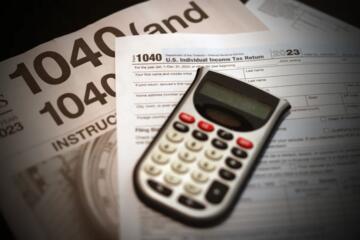
First Tax Return: Refund vs Tax Liability Explained
Filing your first U.S. tax return can feel like learning a new language—especially when people use “refund” and “tax liability” as if they mean the same thing. This guide clears up the difference and shows how the numbers really flow: what withholding is doing all year, how deductions lower taxable income, and how credits directly reduce what you owe. It’s designed for students, new employees, first-time freelancers, and anyone submitting a return for the first time. You’ll learn what to look for on a W-2 or 1099, how to make sense of the most common forms and terms, and which simple steps (like checking your withholding or tracking expenses) can help you avoid unpleasant surprises and plan ahead with confidence.
 Finance
08.10.2026
Debit Card Holds: Why Your Balance Suddenly Drops
Debit card holds can make your available balance drop even when no purchase has posted. This guide explains how authorization holds work, why gas stations, hotels, and online merchants trigger them, and how pending transactions differ from completed ones. You’ll learn practical steps to interpret hold amounts, reduce surprises, and resolve disputes with your bank. It’s for debit card users who want clear, evidence-based guidance when their balance changes unexpectedly.
 Finance
02.10.2026
Paycheck Budgeting: Gross Pay vs Spendable Income
Paycheck budgeting breaks down gross pay into spendable income so you can plan bills, savings, and health costs without surprises. This guide explains how payroll deductions, taxes, and benefits change what hits your bank account, with examples for common pay schedules. You’ll learn how to estimate take-home pay, build a monthly budget that matches reality, and spot errors like double-counting deductions or ignoring variable pay.
 Finance
26.09.2026
Emergency Fund: 1, 3 or 6 Months of Expenses?
An emergency fund is the buffer that keeps a job loss, a surprise medical bill, or an urgent car or home repair from turning into high‑interest credit‑card debt. This guide walks you through choosing a realistic target—whether that’s 1, 3, or 6 months of expenses—based on your budget, your income stability, and the risks you actually face. You’ll learn how to calculate your true monthly “must‑pay” number, set simple liquidity rules so the money is available when you need it, and choose safe places to store it. We also flag the common traps that make “savings” hard to access, like locking cash in the wrong account or underestimating recurring bills.
 Finance
20.09.2026
Bank Account Fees: Monthly vs Transaction Charges
Bank accounts often charge either a monthly fee, a fee per transaction, or a mix of both. This guide helps travelers and everyday account holders compare fee structures using real-world spending patterns, common fee categories, and practical checks before switching banks. You’ll learn how to estimate annual cost, spot hidden triggers like minimum balances and international fees, and build a simple decision checklist for choosing the right account type.
 Finance
14.09.2026
Grace Period: When Credit Card Interest Starts
Credit card grace periods affect when interest begins after you make a purchase or carry a balance. This guide explains how grace periods work, why some transactions trigger interest sooner, and how issuers calculate interest using your statement cycle. It’s for readers who want to avoid surprise finance charges and plan payments with confidence. You’ll learn the key terms, common exceptions, and practical steps to check your card agreement.
 Finance
08.09.2026
Statement Balance vs Current Balance Explained
Statement balance and current balance are two different numbers on a credit card. This guide explains how each is calculated, how payment timing affects them, and why minimum payments can still leave interest charges. It’s for readers who want to interpret card statements, avoid avoidable finance charges, and plan payments around due dates. You’ll learn practical reading tips, common mix-ups, and a checklist for choosing what to pay.
 Finance
02.09.2026
First Credit Limit: How Issuers Set the Number
This article breaks down how credit card issuers decide your first credit limit—and why it can sometimes seem surprisingly low or even random. It’s especially helpful if you’re comparing card offers, rebuilding your credit, or applying for your very first card and want to know what to expect. You’ll learn what lenders typically look at in their scoring models, which underwriting rules tend to cap limits, how income and current utilization affect the decision, and practical steps you can take to position yourself for a higher limit later—without making moves that could lead to an unnecessary denial.