Bank Fees You Pay
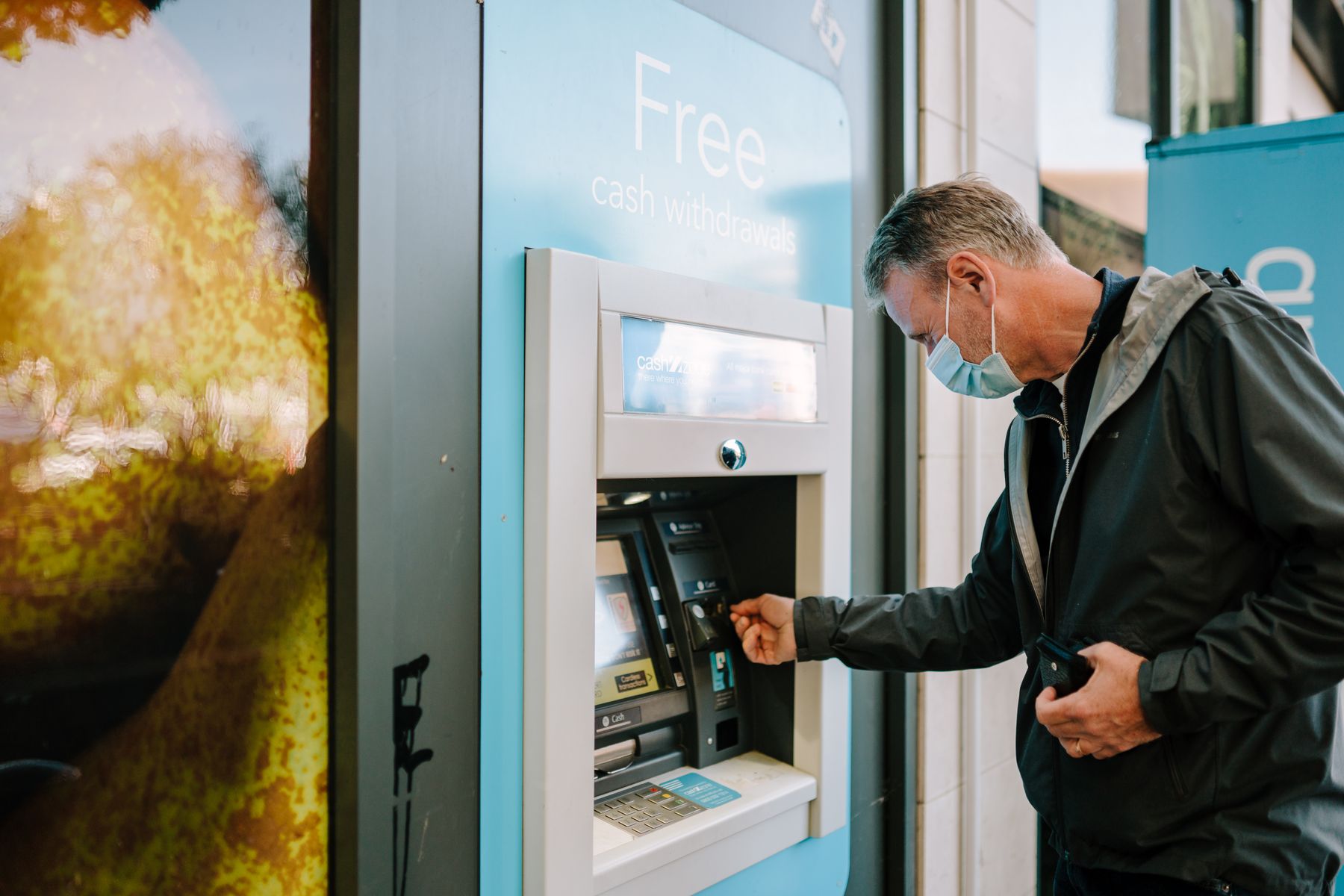
Bank fees show up in three places most people notice: monthly account charges, ATM fees at the machine, and transfer fees when money moves between accounts or banks. A checking account might charge a monthly maintenance fee, while the same account can still cost extra when you withdraw cash at an out-of-network ATM. Transfers add another layer because pricing can depend on the transfer method, destination, speed, and whether the bank treats the transaction as domestic or international.
For example, a $5 monthly maintenance fee becomes $60 per year before any other costs. If you withdraw cash twice per month and each out-of-network withdrawal triggers a $3 surcharge, that adds $72 per year. Transfer fees can be smaller per transaction, but they stack quickly when you send money often, pay bills through transfers, or move funds between accounts at different institutions.
Fee schedules also change. Some banks waive monthly fees if you meet conditions like direct deposit or minimum balances, and those conditions can change mid-year. One practical habit is to save a screenshot of your account’s fee schedule page on a specific date, such as 2026-10-01, because the wording matters when you dispute a charge.
ATM Fees: Reduce The Surcharge
Use In-Network ATMs
ATM surcharges often come from out-of-network machines. Look for an “ATM network” or “fee-free ATM” list in your bank’s app or website, then plan withdrawals around those locations. Some banks reimburse certain ATM fees up to a monthly cap, but reimbursement rules vary and can require you to submit a claim or meet eligibility conditions.
When you withdraw, compare the ATM screen prompt with your bank’s posted fee. Many ATMs ask whether you want to proceed with the surcharge; declining can sometimes avoid the surcharge, but your bank may still charge its own fee. If the ATM is foreign, the surcharge can combine with dynamic currency conversion, which can add an extra layer of cost.
Time Withdrawals to Cut Frequency
Even with in-network ATMs, withdrawal fees can exist for certain account types or for teller cash withdrawals. If you withdraw cash often, consolidate withdrawals into fewer trips. For example, if you withdraw $60 twice per month instead of $30 four times per month, you reduce the number of ATM events that can trigger surcharges and bank fees.
Also check whether your bank charges for cash withdrawals at point-of-sale locations. Some debit card cash-back transactions are fee-free, while others route through different processing and can carry limits or fees. A quick test with a small amount can clarify the fee behavior before you rely on it.
Transfer Costs: Know The Pricing
Compare ACH vs Wire vs Card
Transfers priced as ACH typically cost less than wire transfers, and wires often carry higher fees. Card-based transfers or cash-advance-like mechanisms can be more expensive because they may use different fee structures. When a bank offers multiple transfer methods, the fee schedule usually lists separate amounts for each method and sometimes separate amounts for domestic versus international.
For domestic transfers, confirm whether the bank uses standard ACH timing or expedited options. Expedited transfers can cost extra, and the “speed” can still depend on cut-off times. I once saw a transfer marked “same day” in an interface, but the posted timing depended on when the request was submitted relative to a cut-off time shown in the help text.
Track Exchange Rates and Intermediaries
International transfers can include fees that do not appear as a single line item. Intermediary banks may deduct their own charges, and the recipient may receive less than expected. The sender’s bank may also apply an exchange rate with a markup, so the effective cost can exceed the stated transfer fee.
Ask for the transfer type and fee structure in the terms, such as whether fees are deducted from the sender or shared with the recipient. If your bank provides a “total cost” estimate before you submit, save that estimate. If the final amount differs, you can compare the estimate to the confirmation details.
Case Examples
Example 1: Checking With Waived Monthly Fee
Jordan has a checking account with a $7 monthly maintenance fee that can be waived with $500 in direct deposits. Over two months, Jordan receives $450 in payroll deposits and tops up the account with transfers from another bank. The monthly fee posts because the transfers do not qualify as direct deposits under the account terms. Jordan then changes the funding method so payroll deposits exceed the threshold, and the monthly fee stops, but ATM surcharges remain because Jordan uses an out-of-network ATM during late hours.
Jordan’s lesson is that waiver conditions apply to specific transaction types, and ATM costs can continue even after the monthly fee disappears. The fix involves both meeting the direct deposit definition and switching to in-network withdrawals.
Example 2: Sending Money Internationally
Sam sends money to a relative abroad using an international transfer option offered in a mobile banking app. The bank shows a transfer fee and an estimated exchange rate, but the recipient reports receiving less than expected. The confirmation email lists a transfer type that can involve intermediary banks, and the terms mention that intermediary fees may be deducted from the transfer amount.
Sam reduces the mismatch next time by choosing a transfer option that clarifies who pays fees and by saving the pre-submission estimate. The practical outcome is fewer surprises, not a guarantee of identical amounts, because exchange rates and intermediary deductions can still vary.
Fee Comparison Checklist
| Fee Type | What To Look For | Common Triggers | How To Reduce |
|---|---|---|---|
| Monthly Maintenance | Fee amount and waiver conditions | No qualifying direct deposit, low balance, paper statements | Meet direct deposit definition, switch to e-statements, track daily balance rules |
| ATM Surcharge | ATM network and reimbursement policy | Out-of-network ATM, foreign ATM, teller cash | Use in-network ATMs, consolidate withdrawals, review reimbursement caps |
| Transfer Fees | ACH vs wire vs international terms | Wire speed, international intermediaries, expedited options | Use ACH when appropriate, avoid expedited unless needed, save estimates for disputes |
| Overdraft Spillover | Posting order and hold times | Delayed credits, large transfers, timing gaps | Maintain buffer, review transfer cut-off times, consider overdraft settings |
Step-by-step checklist for your next month’s review:
- List every fee line item from the last statement period and label it as monthly, ATM, transfer, or other.
- Count ATM events and note whether each was in-network, out-of-network, or foreign.
- Separate transfers by method (ACH, wire, card-based) and by destination (domestic vs international).
- Compare your activity to the monthly fee waiver rules using the bank’s definitions, not your assumptions.
- Pick one change that reduces frequency (fewer ATM withdrawals) and one change that reduces eligibility failures (qualifying direct deposits).
Common Mistakes
People often assume that a “fee-free ATM” claim means every ATM in a chain is free. Some programs cover only specific ATM models or specific locations, and the bank’s app may show a map that updates over time. If you rely on a map, save the route or screenshot it on the day you plan to withdraw.
Another mistake involves mixing up transfer types. A transfer that looks like a bank-to-bank payment in an app can still be processed as a different rail with different fees. The fee schedule usually lists separate charges for ACH, wire, and certain expedited options, and the confirmation screen often shows only the fee you pay directly.
Many readers also underestimate timing effects. Transfers can post later than expected, especially around weekends and holidays, and that delay can trigger overdraft fees if your balance is near zero. The fix is to keep a buffer and check the bank’s cut-off times for the transfer method you use.
Finally, disputes fail when documentation is missing. If you plan to challenge an ATM fee, keep the ATM receipt and the bank’s posted transaction details. If you plan to challenge an international transfer, keep the pre-submission estimate and the confirmation showing the transfer type.
FAQ
How do I tell if an ATM fee is from my bank or the ATM owner?
Check the ATM receipt for a surcharge from the ATM owner and then compare it to your bank’s posted fee line items. The receipt and the statement usually separate the amounts, even when the ATM screen shows a single total.
Do monthly maintenance fees disappear automatically when I meet the waiver conditions?
Many banks apply waivers based on a statement period and specific definitions like qualifying direct deposit. If your deposits start mid-cycle, the fee can still post for that cycle and stop afterward.
Are ACH transfers always cheaper than wire transfers?
ACH transfers are commonly priced lower than wires, but the exact difference depends on your bank’s fee schedule and whether you choose standard or expedited timing. Check the schedule for your account type.
Why does an international transfer cost more than the fee shown in the app?
Intermediary bank charges and exchange-rate markups can reduce the recipient’s received amount. The app may show only the sender-side fee and an estimate, while intermediaries can deduct additional amounts.
Can I avoid transfer fees by using a different payment method?
Sometimes. Switching between ACH, wire, or card-based options can change the fee structure, but timing and eligibility rules differ, and some methods can introduce other costs like exchange-rate effects.
Author's Insight
Bank fee behavior is mostly mechanical: fee schedules define which transactions qualify, and payment networks determine how and when money moves. The most reliable way to reduce costs is to match your real transaction pattern to the account’s definitions, then verify results against statement line items. I do not have personal banking experience to cite, so the guidance here focuses on how fee schedules typically work and how receipts and statements reveal the true cost. If you track fees for one statement cycle and label them by category, you usually find one or two repeatable triggers that explain most of the spending.
Key Takeaways
- Monthly fees depend on specific waiver conditions, not just your account balance.
- ATM costs often include both an ATM-owner surcharge and a bank fee, so receipts plus statements matter.
- Transfer fees vary by method (ACH vs wire) and by destination, with international transfers also affected by intermediary charges and exchange rates.
- Timing gaps can create overdraft spillover costs, so keep a buffer around transfer cut-off times.
- Document disputes with ATM receipts, transfer confirmations, and the bank’s posted transaction details.