Start Driving Journey
Your first month on the road is less about “passing tests” and more about building repeatable habits under mild stress. In week 1, you’re usually learning the car’s feel: steering response, brake bite, mirror angles, and how quickly the vehicle changes speed. In week 2, you start adding timing skills like merging gaps and right-turn positioning. In week 3, you practice scanning patterns that reduce surprises. In week 4, you refine decisions so you can drive smoothly even when traffic tightens.
Use a simple structure: one short route, one specific skill, one measurable check. For example, a 20–30 minute loop can focus on lane discipline and mirror checks, then you repeat it until your observations become automatic. If your car has driver-assist features, treat them as training wheels, not a substitute for attention; many systems disengage or behave differently in rain, glare, or lane markings that fade.
Problems Or Pain Points
New drivers commonly get three things wrong: speed management, space management, and information management. Speed management fails when the driver accelerates too late or brakes too late, which forces abrupt steering corrections. Space management fails when the driver follows too closely or misjudges stopping distance on wet roads. Information management fails when the driver fixates on one target—like the car ahead—while forgetting cross traffic, pedestrians, or the right-side curb line.
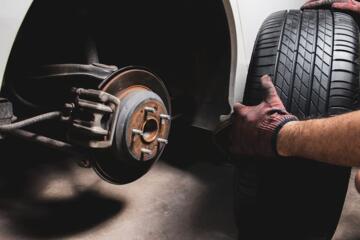
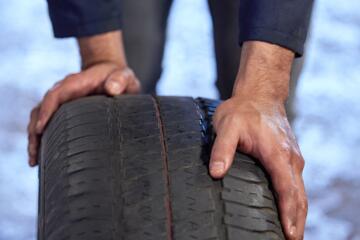
These problems connect to supporting technologies and vehicle systems. Tire condition and tire pressure change traction and braking distance, so the same driving inputs feel different from day to day. Brake systems include anti-lock braking (ABS) that changes how the pedal feels under hard braking; ABS can help you steer while braking, but it does not shorten stopping distance on low-grip surfaces. Electronic stability control (ESC) can reduce loss of control, yet it cannot correct poor speed choices before traction is gone.
Driver-assist features add another layer of confusion. Lane-keeping systems often depend on clear lane markings and can drift or disengage when lines are covered by snow, construction paint, or glare. Adaptive cruise control may behave unexpectedly when a vehicle cuts in, when traffic spacing changes quickly, or when sensors struggle with shadows and reflective surfaces. If you rely on these systems without understanding their limits, you may delay your own decision-making.
Solutions And Advice
Build A Week-By-Week Plan
Plan for four short phases. Week 1: parking, starting, stopping, and basic lane changes in low-traffic areas. Week 2: intersections, right turns, and merging at moderate speeds. Week 3: night driving practice in a safe area with good lighting, plus highway exits if your local roads support it. Week 4: mixed conditions like light rain or overcast days, focusing on smooth braking and larger following gaps.
Keep sessions short enough to stay calm. Many new drivers lose attention after 45–60 minutes, especially if they’re tired or hungry. A practical target is 20–40 minutes per session, 3–4 sessions per week, with one “skill focus” per session. If you have a log, note the weather, time of day, and whether the road surface looked dry, damp, or shiny.
Side observation: on my own training notes from 2024, I used a simple checklist on paper because phone apps pulled attention during the drive. The habit stuck because I could review the notes while the car cooled down, not while I was still stressed.
Practice Scanning And Spacing
Use a scanning pattern that matches the driving task. Before moving, check mirrors and blind spots, then confirm the lane is clear. Approaching an intersection, scan far first (traffic lights, crosswalks), then mid (turning vehicles), then near (your lane position). When changing lanes, check mirrors, check blind spot, signal, then commit—avoid “signal then think” because it invites hesitation behind you.
For spacing, start with a conservative following distance and increase it when the road looks slick. A common rule is to use a time gap such as a 3–4 second buffer in dry conditions, then add more in rain. The exact number depends on speed and visibility, and it changes with tire grip and brake performance. If you can’t keep a stable gap, you’re likely driving too fast for the traffic flow.
When braking, aim for smooth deceleration rather than last-second stops. ABS may prevent wheel lock, but it does not remove the need to slow early. If your car has a brake assist system, it may respond differently than you expect when you brake hard; practice gentle-to-firm braking in a safe area so you learn the pedal feel.
Use Driver-Assist Correctly
Treat driver-assist features as “assist,” not as a driver replacement. If your car has adaptive cruise control, learn how it reacts when a car merges in front of you and how quickly it resumes after braking. If it has automatic emergency braking, test the concept in a controlled environment only if your owner’s manual supports it; otherwise, rely on the manual’s descriptions and warning behaviors.
Turn features on and off during training to learn what changes. Many owners’ manuals describe which sensors are used and what conditions reduce performance. Side observation: I’ve seen owners confuse “lane centering” with “lane keeping,” and the difference matters when lane markings fade.
Keep your hands and eyes in the driving role. If the system issues a steering-wheel or attention alert, treat it as a prompt to re-establish your own scanning and speed control. If you ignore alerts, the system may disengage at the worst moment—like a curve with glare or a lane shift near construction.
Case Examples
Parking And Low-Speed Control
An anonymized scenario: a new driver practices parallel parking in a mostly empty lot. The first attempts hit the curb because the driver turns too sharply at the start and then corrects late. After switching to a slower approach and using a consistent reference point in the side mirror, the driver completes the maneuver with fewer corrections. The improvement comes from repeating the same parking setup and learning the car’s turning radius feel, not from “trying harder.”
During review, the driver notes that the steering corrections happened after the car was already misaligned. Next session, the driver pauses briefly at the midpoint of the maneuver to re-check alignment before continuing. That small change reduces overcorrection, which is common when new drivers rush the sequence.
Rain, Following Distance, And Braking
An anonymized scenario: a new driver drives home during light rain and notices the car feels “slippery” on painted lines. The driver initially keeps the same following distance as in dry weather, then brakes late when the car ahead slows. The late braking triggers stronger deceleration and a more abrupt steering correction to stay centered in the lane.
In the next practice session, the driver increases the time gap and begins braking earlier, aiming for steady deceleration. The driver also watches for reflective surfaces that look wet but may be slick. The key learning is that traction changes with surface type, and the safest response is earlier speed reduction and smoother inputs.
Comparison Table Or Checklist
Use the checklist below to decide what to practice next. It’s designed to support decision-making, not to rank drivers.
| Practice Focus | Best Setting | What To Watch | Stop If |
|---|---|---|---|
| Lane Changes | Low-traffic roads with clear lane markings | Late corrections, hesitation after signaling | You need hard braking to complete the change |
| Intersection Turns | Light traffic, predictable signals | Scanning far-to-near, curb position | You miss a pedestrian or turning vehicle cue |
| Braking In Rain | Empty lot or quiet road segment | Longer stopping distance, smooth pedal use | You feel wheel slip or lose lane control |
| Parking | Same spot each session | Mirror reference points, steering timing | You hit curbs or repeat the same error 3 times |
Step-by-step checklist for your next drive: choose one focus, pick a route with low complexity, set a time limit, practice the skill 3–5 times, then stop while you still feel in control. If you’re frustrated, your attention narrows and your braking and scanning degrade, which makes the next attempt less informative.
Common Mistakes
New drivers often overcorrect after a mistake. A curb tap leads to a sudden steering yank, which can cause a second error. A better response is to slow down, straighten the wheel, and re-center your lane position before trying again.
Another mistake is treating mirrors as optional. Blind spots exist even with wide mirrors, and head checks remain necessary for lane changes and turns. If you rely on mirrors alone, you may misjudge the position of a nearby vehicle, especially on the passenger side where the driver’s view is narrower.
People also misread driver-assist behavior. Lane centering can mask poor lane positioning until the system disengages, then the driver has to recover quickly. Cruise control can hide speed drift in traffic, and the driver may not notice the gap shrinking until braking becomes urgent.
FAQ
How Long Should My First Drives Be?
Many new drivers do better with 20–40 minute sessions, 3–4 times per week, because attention and decision quality drop after longer drives. Short sessions also make it easier to repeat the same route and compare results.
What Should I Practice In Week One?
Practice starting, stopping, lane centering, and parking in low-traffic areas. Add one intersection skill only after you can brake smoothly and keep your lane position without late corrections.
How Do I Adjust For Rain Without Overthinking?
Increase following distance, slow earlier for turns, and brake more gently. Painted lines and shiny surfaces can be slick, so treat them as higher-risk and give yourself extra space.
Should I Use Adaptive Cruise Control As A New Driver?
Use it as a learning tool only after you understand how it reacts to cut-ins and changing traffic spacing. Keep your hands ready and watch the road; the system can disengage when sensors struggle.
What Vehicle Checks Matter Most Early On?
Check tire pressure, wiper condition, and that lights work before driving. These items affect traction and visibility, which change how your practice transfers to real roads.
Author's Insight
I don’t have personal clinical experience with new-driver outcomes, so this guidance relies on widely documented driving safety principles: traction limits, braking physics, and attention management. The most consistent pattern in training materials is repetition with feedback, not longer drives or more features turned on. If you treat driver-assist systems as tools that can fail under specific conditions, you reduce the risk of overreliance. A practical log with a few metrics helps you spot whether your improvement comes from better scanning, better spacing, or just luck with traffic.
Key Takeaways
- Use short, repeatable sessions and one skill focus per drive to build reliable habits.
- Manage speed and space early; late braking and overcorrection create most early driving problems.
- Learn your car’s assist features by reading the owner’s manual and observing how they behave in rain and low-visibility.
- Track a few measurable observations after each drive so you can adjust one behavior at a time.
- Keep vehicle basics current—tires and visibility changes how your practice feels and how safe it is.