Getting Used Car
Used-car sales often hinge on details that never show up in a photo: prior repairs, title history, and whether maintenance records match the car’s stated condition. The right questions help you separate marketing language from verifiable facts.
Start with the seller’s claims and then ask for proof. For example, if the listing says “new brakes,” ask for the invoice date and mileage at replacement. If the seller says “no accidents,” ask what “accident” means to them and request documentation tied to the VIN.
Bring a short checklist and use it during the call and in person. A calm, structured approach also reduces the chance that you miss a key detail while you’re distracted by the car’s appearance.
Main Problems Or Pain Points
Many buyers get tripped up by questions that sound good but don’t force evidence. “Has it been in an accident?” can produce a yes/no answer that still leaves you guessing about severity, repair quality, and whether airbags deployed.
Another common failure involves title and registration status. A car can look clean while the paperwork tells a different story, such as a salvage or rebuilt title, a branded title in another state, or a lien that delays transfer. These issues connect to supporting systems like state DMV databases and the seller’s ability to provide a clear path to ownership.
Maintenance claims also create dependencies. “Serviced regularly” depends on whether the seller can show receipts, a service history printout, or at least a consistent pattern of oil changes and tire rotations. Without that, you’re left estimating wear based on condition, which can be misleading when parts were replaced shortly before sale.
Finally, buyers often underestimate how sellers manage information. Some will answer quickly and avoid specifics like dates, mileage, and repair shop names. Others will provide details but not the documents that let you confirm them. Both patterns matter, and both can be handled with targeted questions.
Solutions And Advice
Ask For Paperwork Early
Request the documents before you schedule a test drive. Ask for the title (or proof of ownership if the seller is a dealer), the vehicle history report you can review, and any service receipts the seller has. If the seller can’t produce the title in hand, ask when they expect it and whether the car is currently registered in their name.
For VIN-based verification, use a reputable vehicle history provider and compare the report to the seller’s story. If the seller refuses to share the VIN, treat that as a serious obstacle. A side note from practical shopping: I’ve seen listings where the VIN in the ad didn’t match the VIN on the dashboard sticker, which usually means the listing was copied or edited.
When you review receipts, check dates and mileage. Oil changes that appear every 3,000–5,000 miles for a 60,000-mile car can be plausible, but a cluster of receipts from the last 2–3 months often signals “freshening” rather than long-term care.
Probe Accident And Repair Details
Ask what repairs were done after any incident and request the repair documentation. Use questions that target scope: “Were airbags deployed?” “Were there structural repairs?” “Were any panels replaced?” “Was the car aligned after repairs?” The goal is to map the repair to what you can inspect and what the vehicle history report may show.
If the seller says the car was “minor,” ask for specifics like the repair shop, the parts replaced, and whether the car was inspected by a body shop or insurer. Many states require disclosure of branded titles, but the seller’s disclosure can still be incomplete if they interpret “accident” narrowly.
During inspection, look for mismatched paint, uneven panel gaps, and signs of rework around headlights and bumpers. You’re not diagnosing a hidden frame issue on the spot, but you are checking whether the repair story matches visible evidence.
Verify Maintenance With Numbers
Ask for a maintenance timeline tied to mileage. Questions like “When were the last oil changes?” and “What brand and viscosity of oil was used?” help you judge whether the car was cared for in a way that aligns with the manufacturer’s recommendations.
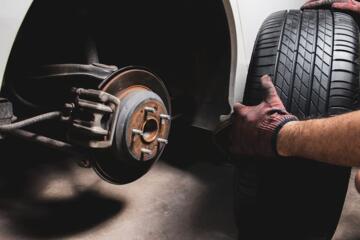
Ask about wear items with typical replacement intervals. Tires often last 25,000–60,000 miles depending on type and driving; brake pads vary widely by driving style. If the seller claims “everything is new,” ask for the approximate mileage when the parts were installed and whether they still have the invoice.
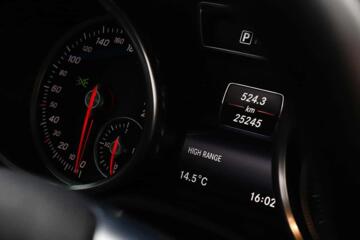
One practical method: take a photo of the odometer and the tire sidewall date codes during your visit. Tire date codes can be read from the DOT stamp; if the seller claims recent tires but the codes show an older production date, you’ve got a mismatch that deserves an explanation.
Clarify Ownership, Fees, And Transfer
Ask how the sale will be handled and what paperwork you will receive at signing. For private sales, confirm whether the seller will provide a bill of sale and how they will transfer the title. For dealers, ask about the warranty terms, return policy (if any), and whether the price includes fees like documentation charges.
If financing is involved, ask for the total cost and the interest rate terms, not just the monthly payment. A mild frustration many buyers experience: the seller focuses on monthly payment because it hides the total interest cost. Request the full contract terms before you sign anything.
Also ask about any open recalls. You can check recall status using the VIN on official manufacturer or government recall lookup tools. If the seller says “no recalls,” ask them to show the lookup result or at least provide the VIN so you can verify it.
Case Examples
Scenario: “No Accidents” Claim
A buyer contacts a private seller about a 2017 sedan listed as “no accidents.” The seller answers quickly and says the car “only had cosmetic work.” The buyer asks for the VIN and reviews a vehicle history report, which shows a collision claim with a moderate damage category. The buyer then asks the seller for the repair invoice and whether airbags deployed. The seller provides a body shop invoice showing bumper and radiator support work but no airbag deployment, and the buyer confirms panel alignment during inspection. The buyer still schedules a pre-purchase inspection because the report and invoice don’t replace an underbody check.
Scenario: Maintenance Receipts Don’t Match
A buyer finds a 2015 SUV with “recent service” in the listing. In person, the seller produces oil change receipts from the last 90 days but the tires show older date codes and the brake pads look worn. The buyer asks for the last time the transmission fluid was serviced and whether coolant was replaced. The seller admits the transmission fluid was never serviced and says the car “runs fine.” The buyer uses the VIN to check for open recalls and then decides to negotiate based on likely upcoming maintenance rather than assuming the receipts cover the whole service history.
Comparison Table Or Checklist
| Question Focus | What You’re Testing | What Good Answers Include | Red Flags |
|---|---|---|---|
| Title and ownership | Can you transfer legally? | Title in hand or clear transfer plan; seller identity matches paperwork | Seller can’t show title; delays without a clear reason |
| Accident details | Repair scope and severity | Airbag status, repair shop, invoice dates, parts replaced | Vague “minor” claims with no documentation |
| Maintenance timeline | Consistency of care | Receipts with mileage; oil type/interval; wear item replacements | Receipts only from the last few weeks; “trust me” answers |
| Recalls and checks | Unresolved safety items | VIN-based recall status shown or verified by buyer | Seller refuses VIN lookup; claims “no recalls” without proof |
Step-by-step checklist you can follow during a sale call and in person:
- Ask for VIN and confirm it matches the dashboard sticker before you discuss price.
- Request title/ownership documents and any service receipts before scheduling a test drive.
- Ask accident questions with scope: airbags, structural work, and repair shop/invoice dates.
- Ask for a maintenance timeline with mileage; photograph tire date codes and odometer.
- Verify recalls using the VIN through an official lookup tool.
- Schedule a pre-purchase inspection if the seller’s story relies on missing paperwork.
Common Mistakes
One mistake involves asking only yes/no questions. “Any accidents?” produces a binary answer that can hide severity. “What repairs were done, by whom, and when?” forces a more checkable response.
Another mistake is skipping the VIN verification step. A seller can provide a plausible story while the VIN-based history shows different events. If you can’t access a history report, you can still compare the VIN to the title and to the vehicle itself.
Buyers also over-trust “fresh service” claims. A car can receive oil changes and new filters shortly before sale while still needing expensive work like suspension components, cooling system parts, or transmission service. Receipts help, but the mileage pattern matters.
Some buyers negotiate too early and then stop asking questions. If you agree on price before you confirm ownership, accident scope, and recall status, you lose leverage and you risk paying for a problem you could have identified.
Finally, people sometimes skip a pre-purchase inspection because the car “drives fine.” A test drive checks drivability, not repair quality. A mechanic inspection can catch issues like leaks, worn suspension bushings, or misalignment that a short drive won’t reveal.
FAQ
What documents should I request?
Ask for the title (or proof of ownership), the vehicle history report you can review, and any maintenance receipts. If the seller has no receipts, ask what records they do have and whether they can share the VIN for your own verification.
Which questions reveal accident severity?
Ask whether airbags deployed, whether structural repairs were performed, and which parts were replaced. Request the repair shop name and invoice dates so you can compare the story to the vehicle history report.
How do I verify maintenance claims?
Ask for a timeline tied to mileage and request receipts showing oil change dates and wear item replacements. Photograph tire date codes and compare them to the seller’s “recent tires” claim.
Should I check recalls before buying?
Yes. Use the VIN to check recall status through an official manufacturer or government lookup tool, then ask the seller whether recall repairs were completed and when.
What if the seller refuses to share the VIN?
Treat it as a major barrier. Without the VIN you can’t verify history, match paperwork, or check recalls, so you should pause the purchase and ask for a clear reason.
Author's Insight
Used-car questions work best when they connect a claim to a document, a VIN-based record, or an inspection item. Buyers often focus on price first, then discover that ownership transfer, recall status, or repair scope can’t be confirmed after the deal. A practical approach is to collect the VIN, documents, and a maintenance timeline before you commit to a test drive. If the seller’s answers stay general, a pre-purchase inspection becomes the main way to reduce uncertainty, even when the car looks clean.
I also recommend writing down answers during the call and comparing them to what you see in person. On one shopping checklist I used in 2024, I noted “service receipts only since June” and “tire DOT codes older than the listing,” and those mismatches guided the decision to walk away.
Key Takeaways
Ask for VIN-based verification, ownership documents, and maintenance receipts before you fall in love with the car’s appearance.
Use accident questions that target scope: airbags, structural work, and repair shop/invoice dates.
Check recalls with the VIN and compare the seller’s story to the vehicle history report.
Don’t replace evidence with trust; when paperwork is missing or answers stay vague, schedule a pre-purchase inspection.