Tread Depth And Legal Limits
Tire tread depth is the layer of rubber designed to channel water and maintain grip. In many places, the law sets a minimum tread depth for public-road driving, usually measured across the tire’s tread grooves. The legal minimum exists to reduce the chance of unsafe wet-weather performance, but it does not guarantee good traction for every driver, climate, or vehicle weight.
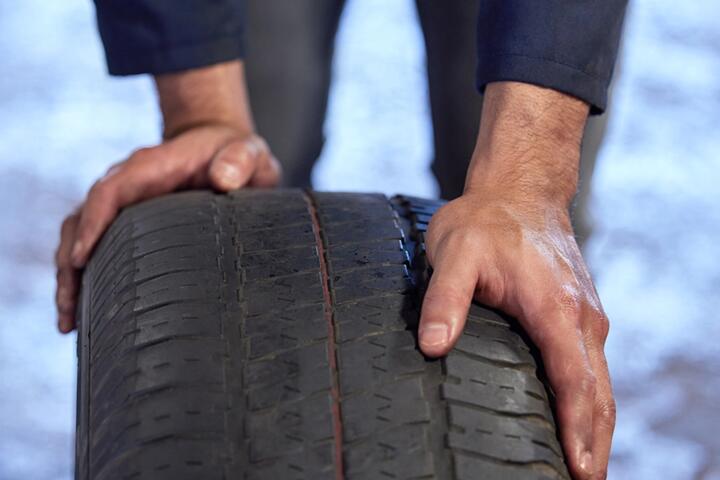
Most passenger tires include tread wear indicators—small raised bars in the grooves. When the tread surface wears down to the indicator level, the tire reaches the legal minimum in many jurisdictions. The exact minimum varies by country and sometimes by tire type, so you should confirm local rules for your registration region. In the U.S., federal law does not set a single national minimum for all states; states commonly use a 2/32 in (about 1.6 mm) threshold for passenger vehicles, but enforcement and wording can differ.
Legal minimums also do not account for uneven wear. A tire can meet the minimum in one area while being worn well below it in another, especially with misalignment, worn suspension components, or incorrect inflation. That mismatch matters because braking and cornering grip depend on the worst-wearing sections, not the best-looking ones.
Common Misreads And Hidden Dependencies
Drivers often treat tread depth as a single number, then ignore the rest of the tire’s condition. That approach breaks down when wear is uneven, when the rubber has aged, or when the tire has damage that reduces performance even with remaining tread.
One dependency is the tire’s pattern and compound. Two tires with the same measured depth can behave differently in rain because of groove geometry, sipes (small cuts in the tread blocks), and rubber formulation. Another dependency is inflation pressure. Underinflation increases tread wear in the shoulders, which can bring one side down to the indicator while the center still looks acceptable.
Road conditions also change the practical meaning of “minimum.” A driver who mostly stops from highway speeds on wet pavement will feel traction loss earlier than someone who drives mostly dry roads at lower speeds. Snow and ice add another layer: winter tires rely on tread blocks and biting edges, and worn tread can reduce the tire’s ability to grip packed snow.
There is also the “measurement trap.” Many people measure near the center only, then assume the tire is uniform. A quick aside from the garage: I’ve seen tread gauges read 4/32 in in the middle while the outer shoulder sat closer to 2/32 in after a few months of curb hits and a slightly off alignment—this is the kind of mismatch that makes the legal indicator feel misleading.
Replacement Point: A Practical Target
Replacement points are not universal laws; they are risk-management thresholds based on traction needs. A common practical target for many passenger vehicles is replacing tires around 4/32 in (about 3.2 mm) for improved wet braking margin. Some drivers choose a higher target for heavy rain regions, frequent highway driving, or vehicles with higher mass. Others wait longer when they drive mostly dry roads, but that choice increases the chance of hydroplaning and longer stopping distances in wet conditions.
Winter tires often use different timing. Many winter tire manufacturers and safety guidance recommend replacing winter tires before they reach the legal minimum because the tread blocks and sipes lose effectiveness as depth decreases. The exact number depends on the tire model and climate, so the safest approach is to follow the tire maker’s guidance and local winter-season recommendations.
Rubber age can matter even when tread depth looks fine. Tires degrade from heat, ozone, and time, and the sidewall compound can harden. If your tires are older, tread depth alone can overstate performance. A date code on the sidewall (the DOT week/year marking) helps you track age; many safety references treat 6–10 years as a range where replacement becomes more likely, though the right decision depends on storage conditions and visible cracking.
How To Measure And Decide
Measure Tread Depth Correctly
Use a tread depth gauge or a caliper with a depth rod. Measure in multiple locations: inside shoulder, center, and outside shoulder. Record the smallest reading because that section drives the worst-case grip. If you only measure the center, you can miss shoulder wear caused by underinflation or alignment issues.
A practical method: measure at three points across the tire width in each of two or three circumferential spots. That gives you a quick map of uneven wear without turning the job into a full inspection. I’ve used a simple gauge and a phone note app (I used version 14.6 on iOS back in 2024) to log readings per tire; it reduces the “memory bias” that makes people forget which tire was already worse last month.
Use Wear Indicators As A Floor
Tread wear indicators mark a legal floor in many regions, not a performance ceiling. Treat the indicator as a “do not go past” reference. If the indicator is visible or the tread is near it, plan replacement soon, especially for wet braking and highway speeds.
When you see the indicator in one groove but not others, the tire may be wearing unevenly. That pattern can come from camber changes, worn ball joints, or a bent wheel. Replacement timing should reflect the lowest-wearing area, not the average.
Check Inflation, Alignment, And Damage
Before replacing tires, verify inflation pressure using a reliable gauge and the vehicle placard values. Underinflation accelerates shoulder wear and can bring one side to the minimum early. Overinflation can reduce the contact patch in the center, leaving the shoulders with more tread while the center wears faster.
Inspect for sidewall bulges, cuts, exposed cords, and vibration. A tire with internal damage can fail even with remaining tread. If you feel steering pull, uneven braking, or a persistent vibration, get an alignment and balance check; otherwise, new tires can wear unevenly again.
Plan Timing By Your Driving Pattern
Choose a replacement point that matches your typical conditions. For frequent wet highway driving, many drivers target around 4/32 in (3.2 mm) to keep a margin for water evacuation. For mixed driving with occasional rain, a lower target might be acceptable, but the risk rises as you approach the legal minimum.
For winter tires, follow the tire manufacturer’s guidance and local winter rules. If you drive in freezing temperatures with snow or slush, consider replacing earlier than the legal minimum because sipes and tread block edges lose effectiveness as depth decreases. If you store winter tires, check for sidewall cracking and confirm the DOT date code before the season starts.
Educational Case Examples
Uneven Wear Near The Indicator
A commuter drives 35 miles each way on wet roads and measures tread once per month. The driver sees the wear indicator in the outer shoulder and measures 2/32 in there, while the center reads 5/32 in. The driver replaces the tires at the outer shoulder reading and schedules an alignment check. The new tires wear more evenly after correcting the camber issue, and the driver logs tread depth again after 2,000 miles to confirm the fix.
Legal Minimum Met, Wet Braking Margin Low
A family vehicle spends most of its time in a rainy region and uses all-season tires. The tread wear indicators are not fully flush, and a single center measurement reads 3/32 in. The driver measures all three zones and finds the inside shoulder at 2/32 in. The driver replaces the tires before they reach the indicator level across the width, then rechecks inflation against the door placard after a week of driving.
Tread Depth Decision Checklist
| Check | What To Look For | Action Threshold | Why It Matters |
|---|---|---|---|
| Legal Minimum | Tread at wear indicator level | Do not drive past local legal floor | Meets minimum compliance, not wet performance margin |
| Practical Wet Target | Lowest measured tread depth across width | Often around 4/32 in (3.2 mm) for many drivers | More buffer for water evacuation and braking |
| Uneven Wear Pattern | Shoulder vs center mismatch | Replace based on worst zone; inspect alignment/inflation | Uneven tread reduces grip where you need it most |
| Sidewall Condition | Cracks, bulges, cuts, exposed cords | Replace immediately if damage is structural | Damage can fail the tire regardless of tread depth |
| Age (DOT Code) | Tire age and cracking | Consider replacement if age is high and rubber shows aging | Aged rubber can lose grip even with tread left |
Common Mistakes That Skew Decisions
Measuring only the center is the most frequent error. Center depth can stay above the practical target while the shoulders drop to the legal floor due to underinflation or camber changes. Another mistake is trusting the wear indicator without checking multiple grooves; uneven wear can hide the worst section.
Drivers also confuse “tread depth” with “tire condition.” A tire can have tread left but still show sidewall cracking, impact damage, or a bulge. Those issues can reduce safety even when the tread meets legal requirements.
Some people replace only one tire. That can create a mismatch in tread depth and rolling characteristics across the axle, which can affect handling and traction distribution. Many tire shops recommend replacing in pairs on the same axle, and sometimes all four, depending on tread depth differences and vehicle requirements; the right choice depends on your vehicle and tire wear history.
Finally, people postpone measurement until inspection time. Tread changes gradually, and waiting until a legal check forces last-minute decisions. A simple monthly measurement routine reduces surprises and gives time to correct alignment or inflation problems before new tires wear unevenly.
FAQ
What Is The Legal Minimum Tread Depth?
Legal minimum tread depth varies by country and sometimes by vehicle category. In many U.S. states for passenger vehicles, the common threshold is 2/32 in (about 1.6 mm), often tied to tread wear indicators, but you should confirm your local rule.
How Do I Measure Tread Depth At Home?
Use a tread depth gauge and measure in multiple locations across the tire width: inside shoulder, center, and outside shoulder. Record the smallest reading because it reflects the worst grip zone.
Is Replacing At The Legal Minimum Safe?
Legal minimums address compliance, not wet braking margin for every driver and road condition. Many drivers replace earlier, often around 4/32 in (3.2 mm), to keep a buffer for rain and hydroplaning risk.
Do Wear Indicators Mean The Tire Is Done?
Wear indicators usually mark the legal floor. A tire can still be usable for some dry driving after indicators appear, but wet performance margin drops, and uneven wear can make the tire unsafe in the worst-wearing grooves.
Does Tire Age Matter If Tread Depth Looks Fine?
Tire age can affect rubber stiffness and grip. If the DOT date code shows older tires and you see cracking or hardening, tread depth alone can overstate performance, so replacement becomes more likely.
Author's Insight
Tread depth laws and tread wear indicators focus on a minimum compliance level, which does not map cleanly to real-world traction needs. Practical replacement points use a risk buffer that depends on rain exposure, vehicle weight, and how evenly the tire wears. Measurement quality matters: a single center reading can miss shoulder wear that reaches the legal floor first. Rubber age and sidewall condition can also reduce performance even when tread depth remains above the minimum. A careful approach logs the lowest tread depth across the tire width, checks inflation and damage, and plans replacement before the worst zone reaches the legal indicator.
Key Takeaways
- Legal minimum tread depth is a compliance threshold, not a guarantee of good wet traction.
- Measure tread in multiple zones and use the smallest reading to decide timing.
- A common practical wet-driving target is around 4/32 in (3.2 mm), while legal floors often sit near 2/32 in (1.6 mm) in many regions.
- Uneven wear, sidewall damage, and tire age can reduce safety even when tread depth looks acceptable.
- Correct inflation and alignment issues before installing new tires to avoid repeating the same wear pattern.