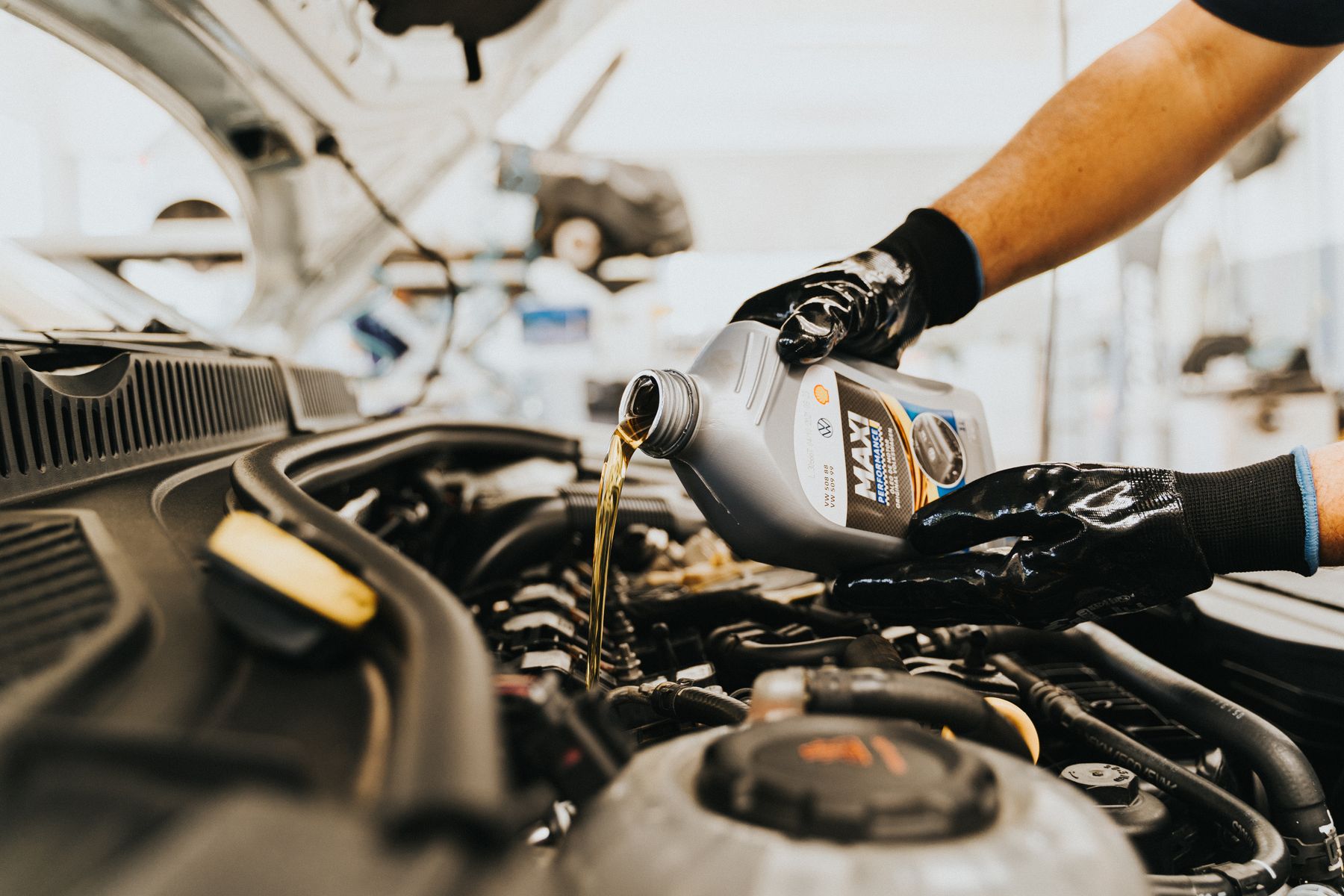
0W-20 Vs 5W-30 Basics
Oil labels such as 0W-20 and 5W-30 combine two ideas: cold-start flow (the “W” grade) and hot running viscosity (the second number). The “W” grade is tied to how easily oil pumps at low temperatures, which matters most during the first seconds after a cold start. The “20” or “30” part reflects viscosity at high operating temperatures, which affects film thickness and internal friction. In practice, the temperature range you can use depends on both the climate and the engine’s oil system design, not only the label.
For example, a 0W-20 oil is engineered to flow better at colder temperatures than a 5W-30 oil, because the “0W” target is lower than “5W.” That does not mean 5W-30 “fails” in cold weather; it means it has a higher cold-flow threshold. Meanwhile, 5W-30’s “30” hot viscosity is higher than 0W-20’s “20,” which can change how the engine behaves at sustained high temperatures and load. If your owner’s manual specifies a viscosity grade, it usually reflects clearances, pump capacity, and emissions calibration.
Common Temperature Misreads
People often treat the viscosity label like a single temperature cutoff, but the label represents performance targets measured under standardized test conditions. The real world adds variables: how long the car sits, how cold the oil pan and crankcase actually get, and whether the engine has a block heater. Even two cars in the same city can see different effective oil temperatures after overnight parking.
A second frequent mistake is switching grades without checking the engine’s required specification. Many modern engines are calibrated around a specific viscosity and a specific performance standard, such as API service categories and ACEA sequences. If you move from 0W-20 to 5W-30, you may increase hot viscosity, which can raise pumping losses and slightly affect fuel economy. If you move the other direction, you can reduce hot viscosity, which may or may not match the engine’s oil film needs under heat and load.
Cold-start behavior also depends on more than viscosity. Oil pump design, oil filter bypass behavior, and crankcase ventilation can influence pressure and flow during warm-up. A car with a marginal battery or slow starter can experience longer cranking times, which changes how long the engine runs before oil pressure stabilizes. That’s why the same oil grade can feel different across vehicles.
Finally, some people assume “thicker is safer.” Thicker oil at operating temperature can increase hydrodynamic film thickness, but it also increases drag and can delay warm-up. The engine’s lubrication system is designed to operate within a pressure and flow window, so the manual’s viscosity guidance usually reflects a balance between wear protection, efficiency, and emissions.
How To Choose By Climate
Use The Owner’s Manual First
Start with the viscosity grade(s) and performance specs listed in your owner’s manual. If the manual names 0W-20, 5W-30, or both, it typically means the manufacturer tested those grades for your engine family. If the manual lists only one grade, treat that as the primary constraint, because clearances and oil pump calibration are engine-specific.
Also check the required performance category on the oil bottle, such as API SP or ILSAC GF-6 for many passenger cars. In my notes from reading oil spec sheets, the “SP” and “GF-6” labels often matter as much as the viscosity number. A 5W-30 that meets the wrong performance category can be a mismatch even if it “fits” the temperature idea.
Match Cold-Start Needs To Your Winter
Cold-start protection is where the “W” grade matters most. A 0W oil is designed for colder starts than a 5W oil, so 0W-20 tends to reduce the chance of sluggish oil flow during very cold mornings. If you park outside at temperatures well below freezing for long periods, 0W-20 often aligns better with the cold-flow target.
Real-world temperature guidance is usually expressed as “minimum ambient temperature” in the manual or in manufacturer guidance, not as a single universal number. If your manual includes a chart, follow it. If it does not, use a conservative approach: choose the lower “W” grade for colder climates, and keep the hot viscosity within the manual’s allowed range.
As a small aside, I’ve seen owners confuse “ambient temperature” with “oil temperature,” especially when a garage is unheated. A garage can be 10–15°F warmer than outdoors, which changes how quickly the oil warms and how quickly the oil pressure settles.
Respect Hot-Running And Load
The second number (20 vs 30) reflects viscosity at high temperatures. Higher hot viscosity can help maintain film strength during sustained heat, towing, or frequent high-load driving. Lower hot viscosity can reduce internal drag and support fuel economy, but it still must meet the engine’s lubrication requirements.
If your driving includes long highway runs in hot weather, stop-and-go traffic that keeps oil hot, or frequent towing, the manual’s allowance for 5W-30 can be relevant. If your driving is mostly short trips in mild weather, 0W-20 may warm up quickly and reduce cold-start drag. The key is that the engine’s design expects a certain viscosity range during warm-up and at operating temperature.
Verify The Oil You Buy
Before switching, confirm the bottle meets the same performance standard your manual calls for. Look for the API/ILSAC category and any ACEA requirements if your vehicle uses them. Then confirm the viscosity grade matches the label you intend to use.
One practical method: keep the oil receipt or photo the label during purchase, then compare it to the manual’s requirements at the next change. I once checked a customer’s oil label against the manual and found the viscosity matched, but the service category was older than requested—an easy mismatch that happens when stores stock different batches.
Also check for oil filter compatibility. Some engines use filters with specific bypass characteristics, and a mismatch can affect pressure behavior during cold starts. The manual usually names the correct filter type or part number.
Educational Case Examples
Scenario A: A commuter car in a region where winter mornings regularly reach around -10°C to -20°C (14°F to -4°F) uses 0W-20 in the manual. The owner switches to 5W-30 for summer only. During the first week of colder mornings, the engine takes longer to reach stable oil pressure after startup, and the owner notices longer warm-up before the idle smooths out. The owner returns to 0W-20 for winter because the manual’s cold-start guidance targets the lower “W” grade.
Scenario B: A vehicle with a manual that lists both 0W-20 and 5W-30 for different temperature bands is driven in hot weather with frequent short trips. The owner stays on 0W-20 year-round. Oil analysis is not required, but the owner monitors oil level and follows the recommended change interval. After switching to 5W-30 for a summer season, the owner observes slightly higher fuel consumption on the same commute route, consistent with higher hot viscosity and pumping losses, while engine noise remains unchanged. The owner keeps the grade within the manual’s allowed range rather than chasing a “thicker is always better” rule.
0W-20 Vs 5W-30 Checklist
| Decision Factor | 0W-20 | 5W-30 | What To Check |
|---|---|---|---|
| Cold-start flow | Designed for colder starts than 5W | Flows well, but cold-flow target is higher | Manual’s winter viscosity chart |
| Hot viscosity | Lower hot viscosity (20) | Higher hot viscosity (30) | Manual’s allowed viscosity range |
| Fuel economy tendency | Often slightly better in similar conditions | Often slightly worse due to higher viscosity | Compare over the same route |
| Warm-up behavior | May reach stable oil pressure sooner in cold | May take longer in very cold starts | Observe oil pressure/idle stability |
| Spec compliance | Must match API/ILSAC category | Must match API/ILSAC category | Verify SP/GF-6 or manual-required spec |
- Find the viscosity grades and performance specs in the owner’s manual.
- Check the oil bottle for the same performance category (API/ILSAC or ACEA as required).
- Use the “W” grade to match your coldest typical start temperature, not the average day.
- Use the second number to match your typical hot conditions (traffic, towing, sustained heat).
- Confirm the oil filter matches the manual’s guidance.
- After switching, monitor oil level and any warning lights through the first few drives.
Common Mistakes To Avoid
One mistake is relying on a generic temperature chart from a forum without checking the engine’s manual. A chart might assume a certain oil pump design and a certain test method, while your engine’s warm-up strategy can differ.
Another mistake is mixing grades across changes without a plan. If you use 0W-20 for winter and switch to 5W-30 for summer, the transition is fine when both are allowed, but the oil change interval still matters. Letting oil age past the recommended interval increases oxidation and viscosity drift, which blurs the meaning of the label.
People also ignore performance categories. Two oils with the same viscosity can differ in additive chemistry and oxidation resistance, and the engine’s emissions system can be sensitive to those differences. I’ve seen labels where the viscosity matched but the service category was older; the car ran, but it defeated the manual’s intent.
Finally, some owners interpret “0W” as a guarantee for any extreme cold. Cold-start protection depends on more than oil flow; battery health, starter speed, and ambient humidity all affect start conditions. If you live where cold snaps are severe, a block heater or engine preheating strategy may matter more than the viscosity label alone.
FAQ
What Does The “W” Mean In 0W-20 And 5W-30?
The “W” indicates the oil’s cold-start flow performance target under standardized low-temperature tests. A lower number before “W” corresponds to better flow at colder temperatures.
Can I Use 5W-30 Instead Of 0W-20 In Winter?
Use 5W-30 in winter only when your owner’s manual allows that viscosity grade for your temperature range and when the oil meets the required performance spec. If the manual calls for 0W-20 for cold weather, switching to 5W-30 can increase cold-start flow resistance.
Does 5W-30 Always Protect Better Than 0W-20 When Hot?
Higher hot viscosity can support thicker oil film, but the engine is designed for a specific viscosity window. Protection depends on meeting the manual’s viscosity and performance standards, not only on choosing the higher number.
How Do I Find The Temperature Range For My Car?
Check the owner’s manual for a viscosity chart or temperature guidance. If the manual lists multiple grades, it usually ties them to ambient temperature bands and sometimes to driving conditions.
What Should I Verify On The Oil Bottle Before Switching Grades?
Verify the viscosity grade and the performance category listed in your manual, such as API/ILSAC service level. Also confirm the oil filter type matches the manual’s guidance.
Author's Insight
Viscosity labels describe measured behavior under test conditions, but the usable temperature range depends on the engine’s lubrication system and the owner’s manual’s allowed grades. The “W” portion drives cold-start flow expectations, while the second number governs hot viscosity and internal drag. When switching between 0W-20 and 5W-30, the performance spec on the bottle and the oil filter choice often matter as much as ambient temperature. I would treat the manual’s viscosity chart as the primary evidence and use climate data only to decide which allowed grade fits your typical cold mornings.
Key Takeaways
0W-20 targets better cold-start flow than 5W-30, while 5W-30 has higher hot viscosity. Choose based on the owner’s manual’s allowed viscosity grades and the oil’s required performance category, not only on a generic temperature chart. Verify the oil bottle spec and keep the oil filter compatible. After switching, watch oil level and any warning indicators during the first few drives, since warm-up behavior can differ between grades and vehicles.