Monitor Specs In Plain English
A monitor is a display device with measurable properties that affect text sharpness, motion clarity, and perceived comfort. Resolution controls how many pixels exist across the screen, which changes how small text looks at a given viewing distance. Refresh rate affects how smoothly motion appears, which matters for gaming and scrolling, and it also changes how some people perceive flicker-like artifacts. Panel type influences viewing angles and color behavior, which can matter for shared workspaces and for people who notice color shifts when they move their head.
Brightness and contrast affect readability in a room with windows or bright lamps. Response time and motion handling affect how trails look during fast movement, which can influence headaches for some users who are sensitive to blur. Connectivity matters because a monitor can only display what its inputs support, and many “it doesn’t look right” problems come from using the wrong cable or the wrong port.
Pain Points And Traps
People often treat monitor specs as a single score, then discover that different specs solve different problems. A high refresh rate does not fix blurry text if the resolution is low for your viewing distance. A high contrast number on a product page does not guarantee good readability in a bright room if brightness is limited or if the panel has a strong glare.
Another frequent trap is mixing up “response time” with “motion clarity.” Manufacturers may quote a gray-to-gray number under specific test conditions, and real-world motion can still show overshoot artifacts. If you see colored halos on moving objects, that can be a tuning issue rather than a cable issue, and it rarely shows up in static photos.
Supporting technologies also matter. Adaptive sync (often branded as FreeSync or G-SYNC Compatible) changes how the monitor times frames with the GPU, which can reduce tearing and stutter. HDR depends on both the monitor’s local dimming behavior and its peak brightness; many entry monitors advertise HDR but deliver limited dynamic range, which can make highlights look washed rather than “punchy.”
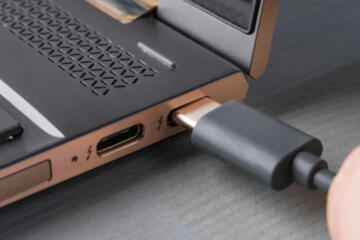
Finally, dependencies hide in the setup. Windows scaling, browser zoom, and font rendering interact with resolution and pixel density. If you use a laptop, the monitor’s input format matters; some USB-C ports support DisplayPort Alt Mode, and some do not. A buyer can end up with a “works but looks soft” situation when the laptop negotiates a lower mode than expected.
What To Buy For Your Use
Pick Resolution And Size First
Start with screen size and resolution because they determine text sharpness at your typical viewing distance. For most desks, 24–27 inches is common, and the pixel density difference between 1080p and 1440p is noticeable for reading. A simple rule of thumb: if you sit close enough that you can read small UI elements comfortably, you usually want higher pixel density to avoid scaling.
Resolution targets that often work for first-time buyers: 24-inch at 1080p for basic office and web use; 27-inch at 1440p for mixed work and media; 27-inch at 4K if you prefer very crisp text and you are comfortable with scaling settings. If you plan to use Windows at 100% scaling, 4K at 27 inches can make text tiny; many people end up at 125% or 150%, which changes how some apps render.
As a side observation, I once checked a monitor spec sheet that listed “3840×2160 @ 60 Hz” but the included cable was HDMI 1.4; the result was a lower mode than expected. That mismatch is why you should confirm the cable and port capabilities before you judge the display.
Match Refresh Rate To Motion
Refresh rate matters when you scroll, pan, or play games. For office work, 60 Hz is usually adequate, though some people perceive smoother cursor movement at higher rates. For gaming or fast motion, 120 Hz or 144 Hz can reduce perceived stutter, especially when paired with adaptive sync.
Adaptive sync can help when your frame rate fluctuates. If your GPU can’t hold a stable frame rate, adaptive sync can reduce tearing and make motion feel more consistent. The practical outcome depends on your system: a monitor with 144 Hz support does not guarantee you will see 144 frames per second, and the GPU and game settings still set the ceiling.
One mild frustration: many product pages list “1 ms” response time, but they do not state the overdrive mode used. You may need to test the monitor’s “overdrive” setting in the on-screen menu, because the wrong mode can increase overshoot artifacts.
Choose Panel Type For Your Eyes
Panel type affects viewing angles, color shifts, and how glare behaves. IPS-type panels typically keep colors more consistent when you move your head, which helps in shared workspaces. VA-type panels often deliver stronger static contrast, which can improve dark-scene viewing, but they can show slower transitions in some settings. TN-type panels usually have faster response claims but often show weaker color consistency and narrower viewing angles.
For eye comfort, look for features that reduce flicker and support low blue light modes. Flicker-free backlights reduce brightness modulation, and some monitors use DC dimming. Low blue light modes can shift the color temperature; if you rely on accurate color for work, you should test whether the mode changes your workflow too much.
Brightness also matters for comfort. If your room has bright light, a monitor with low peak brightness can force you to crank brightness and then fight glare. A practical target for many home offices is around 250–350 cd/m² for typical use, though exact numbers vary by model and measurement method.
Case Examples
Student Office With Mixed Use
A student uses a laptop for coursework, reads PDFs, and occasionally watches videos. They sit about 55–65 cm from the screen and prefer large, readable text without constant zoom. They choose a 27-inch 1440p monitor, set Windows scaling to 125%, and keep brightness around a comfortable level for the room. The student reports fewer eye strain complaints after switching from a 24-inch 1080p display because the text stays sharp without aggressive scaling.
They also test the monitor’s “Flicker-free” claim by observing brightness stability during brightness changes. The student notices that a low blue light mode makes reading comfortable at night but shifts color in diagrams, so they switch modes by task rather than leaving it on all day.
Home Desk With Adaptive Sync
A home user has a desktop GPU that can reach high frame rates in some games but drops during heavier scenes. They want smooth scrolling and less tearing during gameplay. They select a 27-inch 1440p monitor with 120–144 Hz support and adaptive sync. In the game settings, they cap frame rate near the monitor’s refresh ceiling and enable adaptive sync in the GPU control panel.
During testing, they adjust the monitor’s overdrive mode because the default setting shows mild overshoot on dark transitions. After tuning, motion looks cleaner, and they keep the desktop refresh rate at the highest stable mode their system supports. The user still sees occasional stutter when the GPU load spikes, which is expected because the monitor cannot fix performance bottlenecks.
Comparison Checklist And Table
| Spec Area | What To Look For | Typical First-Buy Range | How It Shows Up |
|---|---|---|---|
| Resolution | Match pixel density to viewing distance | 1080p (24 in), 1440p (27 in) | Text sharpness, scaling needs |
| Refresh Rate | Smooth cursor and motion | 60 Hz office, 120–144 Hz gaming | Less perceived stutter |
| Panel Type | Viewing angles and contrast behavior | IPS for consistency, VA for deeper blacks | Color shift when you move |
| Brightness | Readability in your room | ~250–350 cd/m² typical | Glare and eye fatigue risk |
| Inputs And Cables | Correct port for your target mode | DisplayPort or correct HDMI version | Wrong refresh/resolution negotiation |
Step-by-step checklist for a first monitor purchase:
- Measure your desk distance to the screen and decide whether you want to avoid scaling.
- Choose resolution and size that match that distance, then confirm the GPU or laptop can drive it.
- Pick a refresh rate based on your motion needs, then check adaptive sync support.
- Confirm panel type tradeoffs for your room lighting and how you sit relative to the screen.
- Verify the exact input and cable needed for your target refresh and resolution.
- Plan your first setup: brightness level, scaling percentage, and a quick test for text clarity.
Common Mistakes To Avoid
Buying a monitor based on “spec sheet speed” without checking the input mode is a common failure. A monitor may advertise 144 Hz, but the HDMI port you use might cap at 60 Hz. That mismatch often shows up as “the monitor is fine, why does it feel capped?”
Ignoring scaling behavior causes another set of issues. If you choose a high-resolution screen and then run it at a non-native scaling percentage, some fonts can look slightly soft, and UI elements can misalign. This is not a defect in the monitor; it’s a rendering and scaling pipeline behavior.
Over-relying on contrast marketing can also mislead. Contrast numbers on product pages may be dynamic or measured under conditions that do not match your viewing. In a bright room, glare and limited brightness can matter more than contrast.
FAQ
Is 1080p Enough For A First Monitor?
1080p can work well for 24-inch screens at typical desk distances, especially for office tasks. At 27 inches, 1080p often forces scaling or makes text feel less crisp, so 1440p usually fits better for reading comfort.
Do I Need 144 Hz For Work?
Most office workflows do not require 144 Hz. Higher refresh rates can make scrolling and cursor movement feel smoother, but the practical benefit depends on your GPU, your software, and whether you notice motion artifacts.
What Does Adaptive Sync Actually Fix?
Adaptive sync coordinates frame timing between the GPU and the monitor to reduce tearing and stutter when frame rates fluctuate. It does not remove performance limits in the GPU or the game engine.
Is IPS Better Than VA For Eye Comfort?
IPS panels often keep colors more consistent across viewing angles, which helps if you move around. VA panels can offer deeper blacks, but some VA models show slower transitions in certain modes; the best choice depends on your sensitivity to blur and your room lighting.
How Do I Confirm My Cable Supports The Mode?
Check the monitor manual for supported resolutions and refresh rates per input, then match that to your cable and port version. If you use HDMI, confirm the HDMI version; if you use USB-C, confirm DisplayPort Alt Mode support.
Author's Insight
Monitor buying looks like a spec contest, but the measurable properties map to a few real outcomes: text sharpness, motion clarity, glare/readability, and scaling behavior. Resolution and pixel density drive how readable UI and documents feel at your distance, while refresh rate and adaptive sync drive how motion looks when frame timing changes. Panel type affects viewing angle consistency and transition behavior, which can matter for people who notice color shifts or blur. Cable and input negotiation often determine whether the monitor reaches the advertised mode, so checking the manual’s supported modes prevents many avoidable returns.
Key Takeaways
- Choose resolution and size first, then set scaling so text stays crisp without constant zoom.
- Pick refresh rate based on your motion needs, not on marketing numbers.
- Use panel type as a tradeoff tool: viewing angle consistency versus contrast and transition behavior.
- Verify the exact input and cable for your target resolution and refresh rate.
- Test brightness and text clarity during setup; many “bad monitor” experiences come from glare, scaling, or wrong input modes.