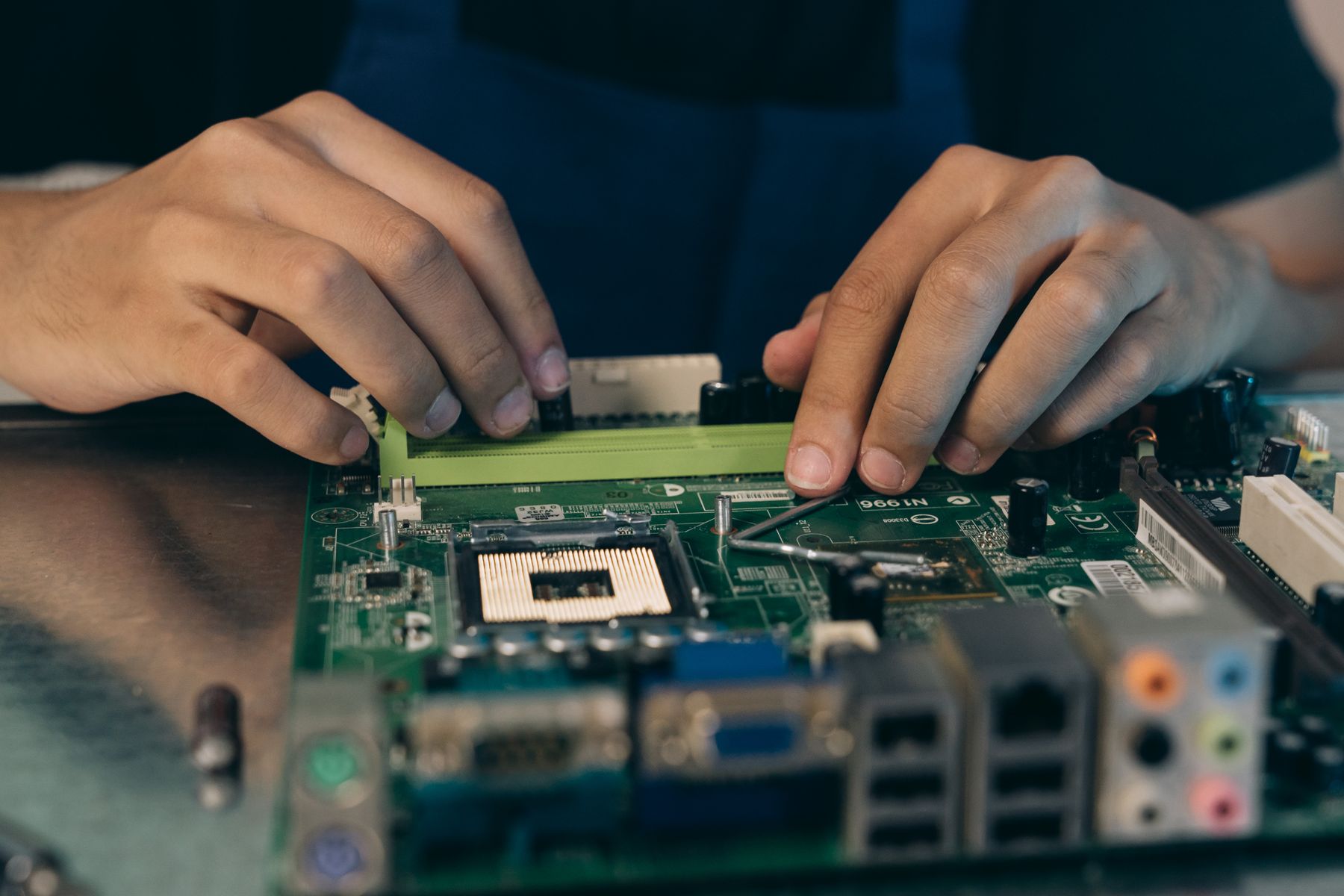
EU Repairability Score
The EU Repairability Score is a label used for certain product categories to encourage repair over replacement. For vehicles, the label concept matters even when the exact scoring rules differ by product category and regulation scope. The practical question stays the same: can you get the right parts and the right software access when something breaks, and can an independent workshop do the work without waiting months.
In the car context, “repairability” depends on more than physical components. A modern vehicle also relies on embedded software, calibration data, diagnostic tools, and security access. If a repair requires a software change, the repair time can hinge on licensing, authentication, and whether the manufacturer supplies the needed information to authorized and independent actors.
Some readers expect the score to predict cost, but the label focuses on repair access and conditions rather than total lifetime cost. A low score can still coincide with low repair frequency, while a higher score can still lead to long waits if parts supply chains stall. The label helps you ask better questions, not replace them.
Parts And Software Pain Points
People often treat “parts availability” as a single number, then stop thinking when they see a label. In practice, repairability breaks down into multiple dependencies: the part itself, the lead time, the compatibility with the vehicle’s configuration, and the ability to program or calibrate after replacement.
Software support adds another layer. Many repairs require diagnostic sessions, fault code clearing, and sometimes reprogramming of control units. When the manufacturer restricts access to software tools or requires online activation, the repair can become dependent on the manufacturer’s systems. That dependency can be invisible in a simple label.
Another common misunderstanding is assuming that “independent workshop” means “no manufacturer involvement.” Some tasks still require manufacturer-grade diagnostic procedures, security credentials, or specific calibration files. If the workshop cannot access those items, the repair may be delayed or limited to mechanical work only, leaving the vehicle with unresolved electronic faults.
Finally, readers sometimes assume that software updates and repair support are the same thing. Updates can improve features, while repair support covers the ability to restore correct operation after hardware replacement. A manufacturer may provide updates for years, yet still limit repair-related access sooner, or vice versa. The timeline matters, and it rarely matches a single calendar date.
How To Judge Support
Check Parts Availability Windows
Start with the manufacturer’s published service and parts information, then ask for the expected lead time for the specific component class you care about. For example, a body control module or a sensor cluster can have different supply patterns than a brake caliper. If the seller cannot quote a realistic range, request a written statement from the dealer or service partner.
For a practical benchmark, ask how long repairs typically take for the same model in your region. Independent workshops often track waiting time for common failures, and a pattern can emerge within a few months. One owner I spoke with noted that their local workshop quoted “2–3 weeks for sensors, 6–8 weeks for certain modules” after a parts shortage in 2023, which matched what they later saw in invoices. That kind of local data is imperfect, but it beats guessing from a label.
Verify Software Access For Repairs
Ask whether the workshop needs manufacturer online access for programming or security alignment. If the answer is yes, ask what happens when the manufacturer’s servers are unavailable or when the vehicle’s security credentials expire. A repair plan that depends on a live connection can still work, but you want to know the failure mode.
In the EU, rules around access to repair and diagnostic information have been evolving, and the details depend on the vehicle type and the exact legal framework in force. You can still do a practical check: request the diagnostic workflow the workshop uses, the tools they rely on, and whether they can complete the job without waiting for a manufacturer appointment. If the workshop mentions a specific tool version, note it; for instance, some diagnostic suites label their releases by year, and mismatches can cause “cannot communicate with module” errors that waste time.
Look For Documentation And Training
Repairability depends on documentation quality: wiring diagrams, calibration procedures, and error-code interpretation. Ask whether the workshop has access to official service information or whether it relies on third-party manuals. Third-party sources can be accurate, but they may lag behind model-year changes.
Training also affects outcomes. A workshop that can interpret diagnostic logs and follow manufacturer procedures can reduce “repeat visit” rates. A mild frustration many owners report is being told the first attempt “should work,” then returning because a calibration step was skipped. That pattern often traces back to missing procedure steps rather than missing parts.
Use Warranty Terms As A Reality Check
Warranty coverage can change the repair path. Under warranty, dealers may have faster access to parts and software tools, while out-of-warranty repairs may require different processes. Ask the seller to clarify whether software programming costs are covered and whether the warranty requires dealer-only service for certain electronic repairs.
Also check whether the warranty includes a timeline for parts replacement. Some warranties specify coverage for a period, but not a guaranteed lead time. If you plan to keep the vehicle long-term, ask what happens after the warranty ends for high-cost electronic components.
Educational Case Examples
Scenario 1: A 2021 compact car needs a replacement for a front camera module after a collision. The independent workshop can source the hardware in about 10 days, but the repair requires calibration and a secure pairing step. The workshop schedules the job for the next week, then waits two additional days for the manufacturer’s online authorization. The owner sees a longer total repair time than the parts lead time alone would suggest.
Scenario 2: A 2019 electric vehicle shows repeated faults after a battery-management sensor replacement. The part arrives quickly, yet the vehicle still reports a persistent diagnostic trouble code because the calibration file used by the workshop does not match the vehicle’s software version. The workshop resolves it after obtaining the correct calibration procedure and confirming the software build. The repair succeeds, but the delay comes from software compatibility rather than mechanical installation.
Repairability Checklist
| Decision Point | What To Ask | What Good Looks Like | What To Watch For |
|---|---|---|---|
| Parts lead time | Typical wait for the component class | Quoted range with a realistic worst case | “We’ll see” answers or no regional data |
| Programming needs | Does the repair require online authorization? | Clear workflow and contingency plan | Hidden dependencies discovered after disassembly |
| Documentation access | Where do procedures come from? | Official or verified service information | Outdated manuals for model-year changes |
| Warranty constraints | Dealer-only requirements for software work? | Written terms for electronic repairs | Unclear coverage for programming/calibration |
Step-by-step checklist you can use before purchase or after a repair estimate:
- List the top 3 failure-prone systems for your driving pattern (for example, cameras, sensors, infotainment modules).
- Ask the workshop for a “parts-only” time and a “parts plus software” time, then compare the gap.
- Request the diagnostic workflow and confirm whether it requires manufacturer online access.
- Check whether calibration depends on the vehicle’s software build number, then ask how they verify it.
- Write down the warranty rules for electronic repairs and programming costs, then keep the text in your records.
Common Mistakes
One frequent mistake is treating the Repairability Score as a proxy for repair cost. A label can reflect access and conditions, yet your bill depends on labor rates, diagnostic time, and whether the repair needs repeated attempts due to software mismatch.
Another mistake is assuming that “independent friendly” means “no software friction.” Many independent shops can do electronic repairs, but they may still need manufacturer credentials for certain security steps. If you do not ask, you discover the limitation after the car is already in the bay.
People also skip the documentation step. A workshop that cannot access correct wiring diagrams or calibration procedures can install the correct part and still fail the electronic verification. That failure often shows up as a persistent fault code, and the fix becomes a second visit.
Finally, readers sometimes ignore model-year boundaries. A procedure that works for a 2020 build can fail for a 2021 build because of changes in control unit firmware. A small aside from a service manager I observed: they keep a spreadsheet keyed by software build date, and they update it after each major release—because “same part number” does not always mean “same programming path.”
FAQ
Does The EU Score Cover Software?
The EU Repairability Score framework focuses on repairability measures for specific product categories. For vehicles, software support affects real repair outcomes through programming, calibration, and diagnostic access, even when the label itself does not describe those steps in detail.
How Can I Check Parts Availability?
Ask for a component-class lead-time range from a dealer and an independent workshop, then compare “parts-only” versus “parts plus software” timelines. Written estimates reduce ambiguity when supply chains shift.
What Counts As Repair-Related Software Support?
Repair-related support includes access to diagnostic procedures, calibration files, security alignment, and any online authorization needed to program a replacement control unit or sensor. Updates for features do not automatically cover these repair tasks.
Can Independent Workshops Do Software Repairs?
Many can, but capability depends on diagnostic tools, access to service information, and whether security credentials or manufacturer online steps are required. Ask the workshop to describe the exact workflow for your vehicle’s system.
What Should I Ask Before Buying?
Ask how long repairs take when software programming is required, whether the warranty restricts electronic repairs to dealers, and where the workshop gets official procedures for your model year.
Author's Insight
Repairability labels aim to reduce barriers to fixing products, yet real-world repair time often hinges on software access and compatibility checks. Parts lead time and software authorization lead time can differ by days or weeks, and the gap matters for planning. In the EU context, legal obligations around access to repair information and diagnostic data have been discussed and refined over time, but the practical outcome still depends on how manufacturers and workshops handle security and documentation.
If you want a reliable decision, compare repair workflows, not just parts availability. A short parts lead time with a long programming delay can still produce a poor repair experience. I would treat any claim about “repairability” as incomplete until you see how the workshop handles calibration, security alignment, and vehicle software build matching.
Key Takeaways
- Repairability depends on both parts supply and software-related steps like programming, calibration, and diagnostic access.
- Ask for separate timelines: parts-only versus parts-plus-software, then compare the gap.
- Confirm whether repairs require manufacturer online authorization and how the workshop handles outages or credential issues.
- Use warranty terms to understand whether electronic repairs change cost or access after the warranty ends.
- Check model-year and software build compatibility, since “same part number” does not always mean “same programming path.”