Topic Introduction
First-time tech buyers usually start with a feature list, then discover the product’s real constraints after the return window closes. A phone that looks “fast” on a spec sheet can throttle under sustained use. A smart home kit can work only with one hub model. A laptop that “supports” a standard may still require a specific cable, driver version, or power mode to behave as expected.
RookieNotes readers tend to buy across categories: phones, laptops, wearables, routers, streaming devices, and cloud subscriptions. The same pattern repeats: you purchase the headline capability, then miss the dependencies that make it usable. For example, a Wi‑Fi 6 router still needs correct placement, a compatible modem, and a plan for interference. A fitness tracker still depends on app permissions, battery habits, and how often you sync.
Main Problems Or Pain Points
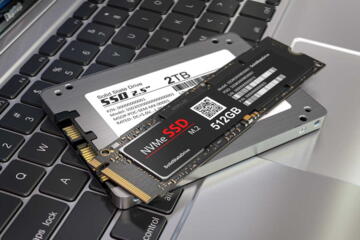
One common mistake is confusing “supported” with “works in your setup.” A device may support Bluetooth audio, but only with certain codecs and only when you disable a competing audio mode. Another frequent issue is ignoring the power and storage realities behind performance claims. A laptop with 8 GB RAM can feel fine for browsing, then stall when you run a browser with many tabs plus a background sync client.
Hidden costs also derail first purchases. Subscriptions can start immediately, bundle renewals, or switch tiers after a trial. Cloud storage plans often look cheap until you add multi-device backups, photo history, and shared family access. Even hardware purchases can carry recurring fees, such as extended warranties that require separate registration steps or service plans tied to a specific serial number.
Compatibility gaps create the next wave of problems. A new router may not match your internet plan’s modem requirements. A new monitor may need a specific port type for your laptop’s graphics output. A smart lock can require a compatible bridge, and the bridge can require a 2.4 GHz Wi‑Fi network that many people forget to configure.
Solutions And Advice
Match Specs To Real Use
Start with a short use-case list: apps, file sizes, typical session length, and your tolerance for noise or heat. Then translate each item into specs you can verify. For laptops, check sustained performance indicators like cooling design and whether the manufacturer documents power limits. For phones, check battery capacity and charging behavior, not just “fast charging” marketing. For routers, check supported Wi‑Fi bands, channel width, and whether the device supports the security mode you plan to use.
A practical method: compare two products using the same requirement. If you stream 4K video for 2–3 hours, look for documented codec support and playback stability. If you edit photos, check storage type and whether the device supports external drives. If you game, check refresh rate and input latency claims, then verify with independent measurements when available.
Personal aside: I often see buyers fixate on a single benchmark number, then ignore that the benchmark run lasts seconds while real work lasts minutes. That mismatch shows up most in laptops and tablets.
Audit Total Cost Before Checkout
List every recurring item tied to the purchase: subscriptions, cloud storage, replacement filters, membership tiers, and any required accessories. Then check billing cadence and cancellation steps. Many services offer monthly and annual plans, and annual plans can lock you into a longer commitment if you later decide the product doesn’t fit. Read the terms for auto-renewal and whether you need to cancel in the app or on a web portal.
For hardware, check warranty coverage and what counts as “defect” versus “accidental damage.” Some extended warranties require registration within a time window. If you buy on a marketplace, confirm the seller’s return policy and whether the warranty is transferable. I once saw a buyer assume a “manufacturer warranty” applied, then discovered the warranty was tied to the original region code.
Use a simple budget rule: add 10–20% for cables, adapters, and replacement consumables when you’re buying a bundle of devices. That buffer prevents the most common “it doesn’t work with my setup” return.
Verify Compatibility And Ports
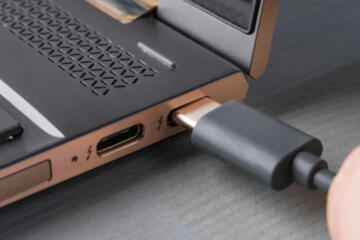
Before purchasing, confirm the exact ports and standards you need. For monitors and docks, list your laptop’s outputs (HDMI version, DisplayPort support, USB‑C with DisplayPort Alt Mode). For audio, check whether the device supports the codecs you care about and whether it supports the connection type you plan to use. For smart home gear, confirm the hub requirement and whether it supports local control or depends on cloud services.
Compatibility checks should include physical constraints. A router’s performance depends on placement, wall materials, and whether you can run an Ethernet backhaul. A wearable’s charging method matters if you travel. A printer’s paper size support matters if you print forms or labels.
Personal aside: on a recent setup I reviewed, the user’s laptop had USB‑C but lacked DisplayPort Alt Mode, so the “USB‑C monitor” purchase failed. The box said “USB‑C,” but the laptop’s spec sheet said “charging only.” That detail is easy to miss. Some updates add features but also change default settings, which can break automation.
Case Examples
Router Purchase With Hidden Constraints
Alex bought a Wi‑Fi 6 router because the box listed high throughput. The apartment had thick plaster walls, and Alex placed the router in a corner near the TV. The result looked like “slow Wi‑Fi,” but the cause was coverage and interference, not the router’s peak rate. Alex later checked the router’s channel settings and moved the router to a central location, then enabled a wired backhaul for the mesh node. After that, the same devices reached stable speeds during video calls.
Lesson: throughput numbers assume ideal conditions. Coverage depends on placement, backhaul, and interference, so the buyer should verify the plan for where the router and any mesh nodes will sit.
Phone Upgrade With Subscription Surprise
Priya upgraded to a new phone and transferred accounts. The device prompted her to enable cloud photo backup and offered a trial of a higher storage tier. She assumed the trial would end automatically, but the billing terms switched her to a paid plan unless she canceled. Priya also discovered that her old plan had a different storage cap, so her photos started uploading at a higher resolution setting. The monthly cost rose, and she had to adjust the backup settings and cancel the trial tier.
Lesson: subscription trials often start immediately and can renew without a separate confirmation step. The buyer should check the billing screen and the storage settings during setup.
Comparison Table Or Checklist
Use this checklist to decide whether a purchase matches your constraints. It focuses on decision support rather than brand preference.
| Check | What To Look For | Common Failure Mode | Quick Verification |
|---|---|---|---|
| Total Cost | Trial terms, auto-renewal, accessory costs | Trial converts to paid plan | Check billing cadence and cancellation path |
| Compatibility | Ports, standards, hub requirements | “Works” only with specific setups | Match port specs and required accessories |
| Performance Reality | Sustained behavior, thermal limits | Benchmark looks great, real use lags | Look for sustained tests or reviews |
| Security Setup | MFA, permissions, firmware updates | Defaults share more than intended | Review permissions during setup |
Step-by-step checklist you can run in 15 minutes: write your top three tasks, list the devices you already own, confirm ports and standards, check recurring costs and cancellation steps, then set security defaults before you install extra apps. If any step feels unclear, pause and verify with the product’s documentation or the retailer’s compatibility notes.
Common Mistakes
Buying based on a single headline spec is the most common error. A higher refresh rate on a display does not help if your laptop outputs at a lower resolution or if the cable supports only older bandwidth. A larger storage number does not help if the device’s file system or sync client fills it with duplicates.
Skipping the return-policy details causes the next problem. Some retailers exclude opened software, accessories, or “bundled” items from returns. Others require the original packaging and may charge restocking fees. If you buy from a marketplace seller, the return window and warranty handling can differ from the main store.
Overlooking setup time creates frustration. Many devices require firmware updates, account linking, and permission reviews. A buyer who rushes through setup often ends up with broken integrations, such as a smart home routine that stops working after a permission change.
Ignoring the “boring” accessories is another frequent mistake. Cables, adapters, and power supplies determine whether the device reaches its rated performance. A USB‑C cable that supports charging may not support video. A router may need an Ethernet backhaul to deliver consistent speeds across rooms.
Finally, relying on vague reviews can mislead. Look for reviews that describe the buyer’s environment: room size, device model, and usage pattern. A person who lives in a small apartment can report “great range,” while a buyer in a multi-story home may experience dead zones.
FAQ
What should I check first before buying?
Confirm compatibility with your existing devices: ports, standards, required hubs, and any cables or adapters you already own. Then verify total cost by checking subscription terms and auto-renewal settings.
How do I spot hidden subscription costs?
Open the billing screen during checkout or setup, read the renewal cadence, and check whether cancellation is possible inside the same app. Trials often start immediately and convert unless you cancel.
Do I need firmware updates right away?
For network devices and security-sensitive gear, updating soon after setup reduces exposure to known issues. Check the firmware version and release notes for security fixes, then update before you add many integrations.
What privacy settings should I review first?
Review location, microphone, camera, contacts, and cloud sync permissions during initial setup. Turn off features you do not use, then enable multi-factor authentication on the account that controls device access.
How can I avoid buying the wrong cable or adapter?
Match the exact port capabilities on both ends. For video over USB‑C, verify DisplayPort Alt Mode support in the laptop spec sheet, then choose a cable rated for the needed bandwidth.
Author's Insight
First-time tech purchases fail less because of “bad luck” and more because buyers skip dependency checks: ports, billing terms, firmware behavior, and setup permissions. A careful approach treats the purchase as a system, not a single product box. I do not have personal clinical experience, but the evidence-based pattern across consumer electronics is consistent: sustained performance, coverage, and privacy outcomes depend on configuration details. When you verify those details before checkout, you reduce both financial surprises and usability problems.
Key Takeaways
- Translate your tasks into measurable requirements, then verify the product’s real dependencies.
- Audit total cost by checking auto-renewal, trial conversion, and accessory needs.
- Confirm compatibility using ports, standards, and hub requirements, not just marketing claims.
- Set security and privacy permissions during setup, then update firmware for network devices.
- Read return-policy exclusions and keep packaging when you need a safety net.