Topic Introduction
Buying a first car usually triggers a predictable set of bills: the purchase price or loan payment, then insurance, registration, and fuel. The hidden costs arrive through timing and uncertainty—repairs that depend on wear, fees that depend on location, and lifestyle costs that depend on where you park and how you drive. A practical example: a $35 oil-change interval sounds simple, but the real cost includes shop fees, parts markups, and the chance you also need wiper blades or cabin filters during the same visit. Another example: a low monthly payment can hide a higher insurance premium if the car’s repair costs are high or the vehicle is stolen more often in your area.
To budget well, separate costs into three buckets: fixed (insurance, registration), variable (fuel, tires, maintenance frequency), and event-driven (unexpected repairs, towing, collision deductibles). You can estimate fixed and variable costs with reasonable ranges, then reduce event-driven surprises by tracking maintenance history and setting a repair reserve. I keep a simple spreadsheet with columns for date, mileage, service type, and total cost; it makes patterns obvious after a few months, even when the numbers feel small at first.
Main Problems And Pain Points
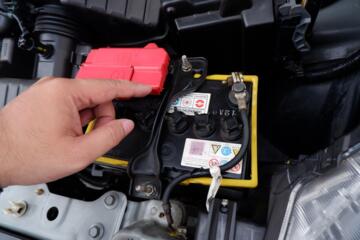
People often underestimate the “ownership gap” between buying and stabilizing. The first year frequently includes items that don’t show up in a sales listing: tires that look fine at purchase but wear faster than expected, brake work triggered by commuting patterns, and battery replacement if the car sat unused before you bought it. Even if the car is reliable, the cost profile changes once you start driving it daily.
Insurance is another common blind spot. Premiums depend on more than the car model; they reflect repair costs, theft rates, local risk, and your coverage choices. If you choose a low deductible to reduce out-of-pocket costs after a crash, you usually pay more each month. If you finance, lenders often require comprehensive and collision coverage, which can raise the premium compared with a liability-only plan.
Maintenance costs also depend on supporting technologies. Tire wear ties to alignment, tire pressure habits, and suspension condition; a slow alignment drift can shorten tire life enough to matter. Brake costs depend on driving style and brake system design; some vehicles use electronic brake assist and different pad materials, which changes parts pricing. If the car has advanced driver-assistance features, sensors and calibration after windshield or bumper work can add labor time—this is where “it’s just a sensor” becomes a multi-hour shop visit.
Solutions And Advice
Build A Three-Bucket Budget
Start with a monthly baseline for fixed costs: insurance, registration amortized across the year, and any parking subscription. Then add variable costs using your real driving pattern. A practical method: estimate fuel from your last month of driving (or a test period) and add a small monthly allowance for routine maintenance. For event-driven costs, set a repair reserve; many first-time owners aim for a few hundred dollars per year, then adjust after seeing actual spending.
If you want a concrete starting point, use a range rather than a single number. For example, tires and brakes often show up as larger line items every few years, so spreading them across months reduces shock. When you track mileage, you can refine the estimate: if you drive 1,000 miles per month, your maintenance cadence will differ from someone driving 500 miles per month. I’ve seen budgets fail because they used “per year” numbers without converting to “per month,” which makes the cash flow look fine until the first big invoice arrives.
Compare Insurance With Coverage Details
Request quotes that match coverage levels, not just the lowest premium. Compare deductibles for comprehensive and collision, and check whether roadside assistance is included. Ask how the insurer handles repairs: some policies use repair networks or require specific procedures, and that affects the total cost and timing. If you finance, confirm the lender’s minimum coverage requirements so you don’t accidentally buy a policy that fails compliance.
Use a side-by-side comparison sheet with fields for premium, deductibles, liability limits, and any exclusions. A small detail can matter: rental reimbursement limits after a covered claim, or whether glass coverage has a separate deductible. When I review quotes, I also look for the insurer’s claims contact options and the expected process for submitting photos and documentation; the paperwork burden can be a hidden cost in time and stress.
Plan Maintenance Around Mileage And Wear
Follow the manufacturer schedule, then adjust for your conditions. Severe weather, short trips, and dusty roads can increase wear on filters and fluids. Use mileage and time together: a car can reach a mileage interval early, but it can also age components even if it doesn’t hit the mileage threshold. For example, brake fluid and coolant intervals depend on time and contamination risk, not only miles.
When you book service, ask for a written estimate that separates labor, parts, and diagnostics. Diagnostics can be a cost trap if the shop charges for “finding the problem” without a clear plan. A realistic outcome target: routine service should usually be predictable in duration, while diagnostic work can expand if multiple systems show symptoms. If a shop suggests additional work, ask whether it’s recommended due to safety, due to wear, or due to convenience; the difference changes your decision.
Case Examples
Example 1: The First-Year Tire Surprise
A new owner buys a used compact car with tires that look adequate. After three months of commuting, the driver notices a pull to one side and mild steering vibration. The next inspection finds alignment drift and uneven tread wear, and the shop recommends replacing two tires sooner than expected. The hidden cost includes the alignment correction, the tire replacement, and the time spent coordinating an appointment during work hours.
The lesson is not “tires are expensive,” but that tire life depends on alignment and driving conditions. A simple check—tire pressure consistency and periodic tread measurements—can catch uneven wear earlier. When the owner tracks mileage and service dates, the replacement timing becomes predictable rather than random.
Example 2: Collision Repairs And Calibration Time
A first-time owner has a minor front bumper impact in a parking lot. The vehicle’s sensors for driver-assistance require calibration after certain repairs, and the body shop schedules additional labor time. The invoice includes parts, paint blending, and a calibration session that takes longer than the owner expected because the shop must verify sensor alignment and run system checks.
The hidden cost here is the mismatch between “cosmetic damage” and “system repair.” The owner reduces the surprise by reviewing insurance coverage for collision deductibles and by asking the shop for a written estimate that includes calibration and diagnostic steps. The repair still costs money, but the budget shock stays smaller.
Comparison Table Or Checklist
| Cost Area | What People Miss | How To Estimate | Decision Tip |
|---|---|---|---|
| Insurance | Deductibles and repair-calibration costs | Quote with matching deductibles and limits | Compare rental reimbursement and glass deductibles |
| Maintenance | Time-based wear and short-trip effects | Use manufacturer schedule plus your driving conditions | Ask for a written estimate with labor/parts separated |
| Repairs | Diagnostics expanding into multiple issues | Set a repair reserve and track warning signs | Request a diagnostic plan before authorizing work |
| Parking And Fees | Monthly parking and renewal spikes | Add parking subscription and amortize registration | Check renewal timing and any emissions requirements |
Step-by-step checklist for your first 90 days: list every recurring bill, track fuel for at least two full weeks, measure tire tread once per month, save every receipt, and ask your insurer for a copy of the coverage declarations page. If you buy a used car, add one more step: confirm the last service mileage and request the service history before the first major interval. I also recommend setting a “repair budget” line in your bank app; when it’s empty, you delay non-safety upgrades until the next paycheck.
Common Mistakes
Skipping the coverage details on insurance is the most common mistake I see in budgeting conversations. A lower premium with a higher deductible can turn a minor claim into a large out-of-pocket bill. Another frequent error involves assuming the car’s maintenance schedule matches your driving conditions; short trips and cold starts can increase wear on certain components even when mileage stays low.
People also over-trust the “inspection sticker” or a quick pre-purchase check. A basic inspection can miss issues that appear under load or after a few weeks of driving. If the car has warning lights, treat them as data rather than noise; persistent lights often point to sensor faults, emissions system issues, or charging problems that can grow in cost.
Finally, many first-time owners fail to plan for downtime. Even a routine repair can take a day or two, and that creates indirect costs like rideshare trips or missed work. If you keep a small buffer in your budget and plan service appointments around your schedule, the hidden cost becomes manageable. I’ve watched budgets collapse because the owner planned for the invoice but not for the lost time.
FAQ
What hidden costs appear in the first month?
Insurance start dates, registration/title processing, and any immediate maintenance items like wiper blades, cabin filters, or tire balancing often show up early. If you finance, lender-required coverage can also change the first bill amount.
How do I estimate maintenance costs for a used car?
Use the manufacturer schedule as a baseline, then adjust for your driving conditions and the car’s service history. If records show recent brake or tire work, you can reduce near-term estimates; if records are missing, plan a higher reserve.
Do parking costs count as part of car ownership?
Yes, because parking affects your monthly cash flow and can exceed the difference between fuel economy figures. If you park in a paid lot or garage, include that subscription or per-visit cost in your budget.
How can I avoid surprise repair bills?
Ask for written estimates that separate diagnostics, labor, and parts. For diagnostic work, request a plan and an approval step before the shop expands the scope.
Should I choose a higher insurance deductible?
A higher deductible lowers the premium but increases out-of-pocket cost after a claim. Choose based on your repair reserve and how likely you are to file claims, not only on the monthly price.
Author's Insight
Hidden costs in first-car ownership come from timing, uncertainty, and coverage details rather than from one dramatic expense. A careful budget separates fixed bills from variable wear items and event-driven repairs, then tracks mileage and receipts to refine estimates. Insurance costs depend on repair complexity and coverage choices, so comparing quotes requires matching deductibles and limits. For maintenance, the manufacturer schedule works as a starting point, while driving conditions and service history determine the real cadence. When you treat downtime and paperwork as part of the cost, the ownership experience stays more predictable.
Key Takeaways
- Budget in three buckets: fixed (insurance/registration/parking), variable (fuel/tires/maintenance), and event-driven (repairs and deductibles).
- Compare insurance quotes using coverage details, not only the monthly premium.
- Track mileage and receipts early so tire, brake, and service timing becomes predictable.
- Ask for written estimates with diagnostics scope to reduce surprise repair bills.
- Plan for downtime costs, since repairs often affect work and transportation beyond the invoice.